

Use Of Vegetable Stock

25 minutes
707 reads
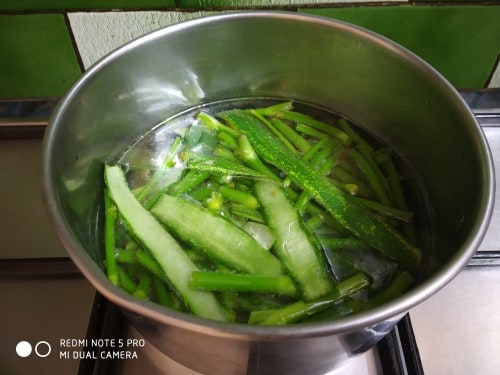
About Use Of Vegetable Stock
Ever wondered how to make the most out of your kitchen scraps? Instead of tossing away edible vegetable skins and stems, you can transform them into a nourishing homemade vegetable stock. Just ensure these peels and trimmings are clean and fresh—they’re packed with hidden nutritional value waiting to be unlocked.
From tender pumpkin and bottle gourd skins to raw banana and potato peels, these often-overlooked bits can add incredible depth and flavor to your broths. Embracing this homestyle Indian technique not only minimizes kitchen waste but also infuses your meals with wholesome goodness.
Give your soups, dals, and gravies a natural, nutrient-rich boost by making the most of every vegetable. This simple, sustainable approach brings vibrant flavors to your table while honoring the essence of mindful, home-cooked food.

Stop Thinking About What to Cook Every Day
Healthy Eating, Kids Tiffin, PCOS and Weight loss meals, all planned out for you. Just follow the plan and cook. From ₹299.
Recipe Time & More
Prep10 minutes
Cook15 minutes
Total25 minutes
Ingredients
Instructions
- Just wash, boil them and strain the stock. Use the stock when you are making soup or any other recipe.

- We can use the stock in our various recipe.


Recipe Notes
https://youtu.be/sxltInP1VdE
Click this link to watch the recipe on my YouTube channel nanan swade geeta.
Additional Tips
- For a deeper umami flavor in your stock, add a handful of dried mushrooms or a few sun-dried tomato pieces along with the vegetable scraps while simmering.
- If you want a clearer stock, avoid using starchy peels like those from potatoes and yams, or strain the finished stock through a double layer of muslin cloth.
- Enhance the aroma of your stock by toasting whole spices such as cumin seeds, black peppercorns, or bay leaves in a dry pan before adding them to the simmering pot.
- Store leftover stock in ice cube trays; once frozen, transfer cubes to a freezer bag for easy portioning and instant flavor boosts in curries, rice dishes, or even dosa batter.
Additional Tips
- For an extra layer of flavor, briefly sauté your vegetable peels and trimmings with a teaspoon of cumin seeds, black peppercorns, and a clove or two before simmering them for stock—this adds an earthy, aromatic base that's especially suited for Indian dishes.
- Include a few fresh coriander stems and a small piece of ginger in your stock pot; these impart subtle herbal and warming notes that complement dals and curries beautifully.
- After straining, the leftover cooked peels can be blended with a little stock to create a rustic soup base or added to paratha dough for added nutrition and texture.
- Freeze your clean vegetable scraps in a zip-top bag throughout the week, then make stock in bulk when you have enough; the stock itself freezes well in ice cube trays for convenient portioning in future recipes.
Additional Tips
- For a richer, more aromatic stock, sauté your vegetable peels and trimmings in a teaspoon of oil or ghee with whole spices like cumin seeds, black peppercorns, and bay leaves before adding water.
- Store clean vegetable peels and stems in a sealed container in the freezer throughout the week; once you have a good amount, make a large batch of stock and freeze it in small portions for convenient use in future recipes.
- Add a small piece of ginger, a couple of garlic cloves, or leftover coriander stems to the simmering stock for a subtle Indian flavor boost, especially when using the stock in dals or curries.
- Strain the finished stock through a fine mesh sieve or muslin cloth to achieve a clear broth, which is especially desirable if using the stock as a soup base or for poaching.
Additional Tips
- For a richer, slightly smoky flavor in your stock, briefly roast or sauté the vegetable peels and stems in a little oil or ghee with whole spices like cumin seeds, bay leaf, or black peppercorns before simmering them in water.
- If you regularly cook Indian meals, save coriander stems, fenugreek stems, and the tough parts of spinach in a freezer bag throughout the week; when you have a sufficient amount, make a large batch of stock and freeze it in ice cube trays for quick use in curries or dals.
- Avoid using bitter or overpowering scraps such as large quantities of cabbage cores or cauliflower stalks, as these can dominate the flavor of your stock; instead, focus on milder peels like bottle gourd, pumpkin, and potato for a well-balanced taste.
- After straining the stock, you can blend the softened vegetable scraps into a smooth puree to thicken gravies or add fiber to paratha dough, minimizing waste even further.
Additional Tips
- For a richer, more aromatic stock with Indian flair, add a few whole spices like cloves, bay leaves, a cinnamon stick, or black peppercorns during simmering—these infuse depth without overpowering the natural vegetable flavors.
- If using starchy peels (such as potato or raw banana), rinse them thoroughly before adding to the pot to prevent the stock from turning cloudy or gummy.
- Strain and cool the finished stock, then freeze it in ice cube trays for easy portioning—perfect for quickly enhancing curries, pulaos, or even savory pancake batters.
- To avoid bitterness, limit the use of strongly flavored or cruciferous scraps (like cabbage cores or too many radish peels), and balance them out with sweeter trimmings from carrots, pumpkin, or bottle gourd.
Related Posts You May Like
-

-

-

-

Quick & Easy Vegetable Hakka Noodles
817 reads
-

-









Geeta Biswas
Articles: 919
5 Comments
Leave a Reply
You must be logged in to post a comment.


I’m in love with this recipe already!
I’m thrilled to try this recipe!
Such a delicious dish! Thank you.
Looks so delectable! Thanks for posting.
What a delicious recipe! Thanks for posting.