
Zoning Your Fridge for Meal Prep: Batch Cooking Storage Guide
77
reads
Anyone who batch-cooks knows the frustration: a fridge full of carefully portioned meals, and yet something still turns slimy or sour before it gets eaten. The problem is rarely the recipe. It’s usually the way the fridge itself is packed.
A thoughtful approach to meal prep storage isn’t about buying more containers – it’s about matching what you cook to where it sits inside the appliance.
This guide walks through why disorganized storage sabotages batch cooking, how temperature actually varies from shelf to shelf, and a practical zoning system that keeps cooked meals, produce and dairy fresher for longer.
It also looks at the point where the fridge’s own layout, rather than the cook’s habits, becomes the real limiting factor.
Table of Contents
Why Fridge Organization Makes or Breaks Meal Prep Storage
A fridge set to a safe temperature can still ruin a week’s worth of prepped meals if the inside is packed the wrong way. Cold air needs to circulate freely around every container for the whole compartment to reach an even temperature.
When shelves are crammed edge to edge, the air conditioner-style vent at the back struggles to push cold air past the front containers, and pockets of warmer air form wherever airflow is blocked.
The thermostat reading the ambient temperature near the vent can look perfectly fine while food sitting near the door or squeezed into a dense corner sits several degrees warmer.
Batch cooking makes this worse because it changes what gets loaded into the fridge and how fast. Cooling a large pot of stew or a tray of roasted vegetables takes time, and if that food goes in while still warm, it raises the temperature of everything nearby until the compressor catches up.
On a day when six or seven containers go in at once, that heat load is far higher than the fridge sees during normal daily use, and shelves that were previously cold can stay in an elevated temperature range for an extended stretch.
Spreading portions across the fridge, leaving gaps for air to move, and cooling large batches briefly before sealing them all reduce that spike, but only if the layout allows space for it in the first place. Organization, not just temperature setting, decides how long the batch actually lasts.
The Hidden Problem: Cross-Contamination and Temperature Zones
Not every shelf in a fridge is equally cold, and that difference matters more for batch cooking than most people assume.
The back and bottom of a standard fridge typically stay coldest because cold air is heavier and sinks, and because those areas sit closest to the cooling vent and furthest from the warm air that rushes in every time the door opens.
The door shelves and top-front area, by contrast, experience the biggest temperature swings, since they’re the first spots hit by room-temperature air with every open-and-close cycle.
This uneven cooling creates a second, less obvious issue: cross-contamination risk. Raw proteins release juices that can drip onto anything stored below them, so placing raw meat above a shelf of ready-to-eat leftovers creates a contamination path even if both items are technically cold enough.
The safer approach is to let temperature and food type both drive placement – raw ingredients belong in the coldest, most contained zone, physically separated from anything that won’t be cooked again before eating.
Ready-to-eat batch-cooked meals need a spot where they won’t sit under a dripping package, and produce that bruises easily needs shielding from the coldest airflow, which can cause chilling injury in some vegetables.
Treating the fridge as a single uniform cold box, rather than a set of distinct zones with different jobs, is often the root cause behind food that spoils faster than the thermostat setting would suggest.
A Zone-by-Zone System for Storing Cooked Meals, Produce and Dairy
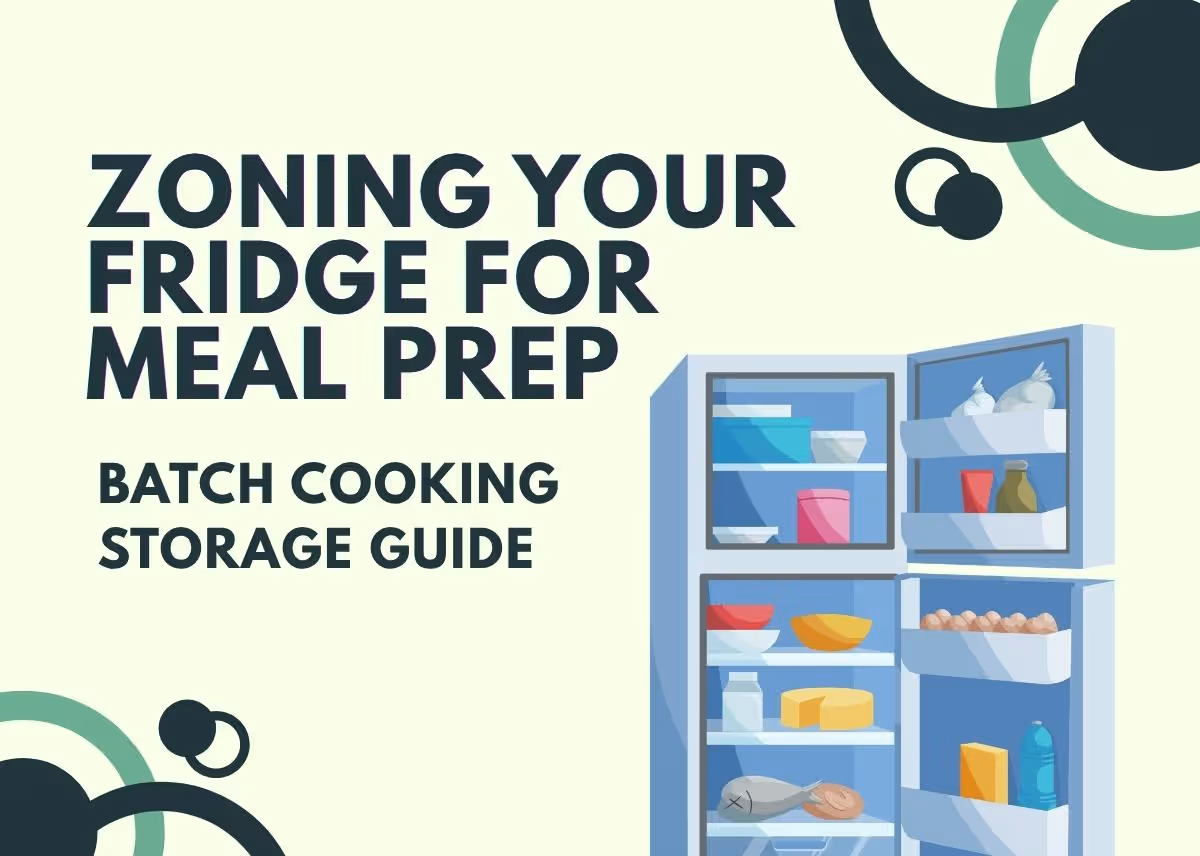
Turning those temperature zones into a working system starts with assigning each shelf a specific role rather than filling gaps as they appear. A layout that tends to work well for batch cooking looks like this:
- Top shelf: beverages and cooked leftovers meant to be eaten within a few days, since this area stays reasonably cool but is easy to see and rotate.
- Middle shelf: dairy and eggs, which benefit from a steadier mid-range temperature rather than the coldest or warmest extremes.
- Bottom shelf: raw meat and fish, sealed in its own container, taking advantage of the coldest zone while keeping drips contained below everything else.
- Crisper drawers: fruits and vegetables, which are engineered with different humidity levels for produce that wilts versus produce that rots.
Within that structure, the container choice matters almost as much as the shelf. Clear, stackable containers make it possible to see what’s inside without opening every lid, which cuts down on how long the door stays open and how much warm air gets pulled in.
Stackability also solves the overcrowding problem from earlier: uniform shapes stack with gaps between them for airflow, instead of forming the tightly packed wall of mismatched shapes that blocks circulation.
Labeling each container with the date it was prepped turns a vague sense of “this looks fine” into a system that’s actually trackable.
A simple rule – first prepped, first used – turns that date label into a rotation habit: newer containers get pushed to the back or bottom of their zone, and older ones stay at eye level in front so nothing gets forgotten until it spoils.
When Your Fridge Itself Becomes the Limiting Factor
Even a carefully zoned fridge runs into a ceiling once batch cooking gets serious. A single cooling compartment shared between fresh food and frozen items has only so much shelf and drawer space to divide across raw ingredients, dairy, leftovers and produce, and larger cooking sessions can push past what that layout can physically separate. At that point, the issue isn’t technique anymore – it’s capacity and compartment design.
This is where the distinction between a single cooling zone and a split one starts to matter.
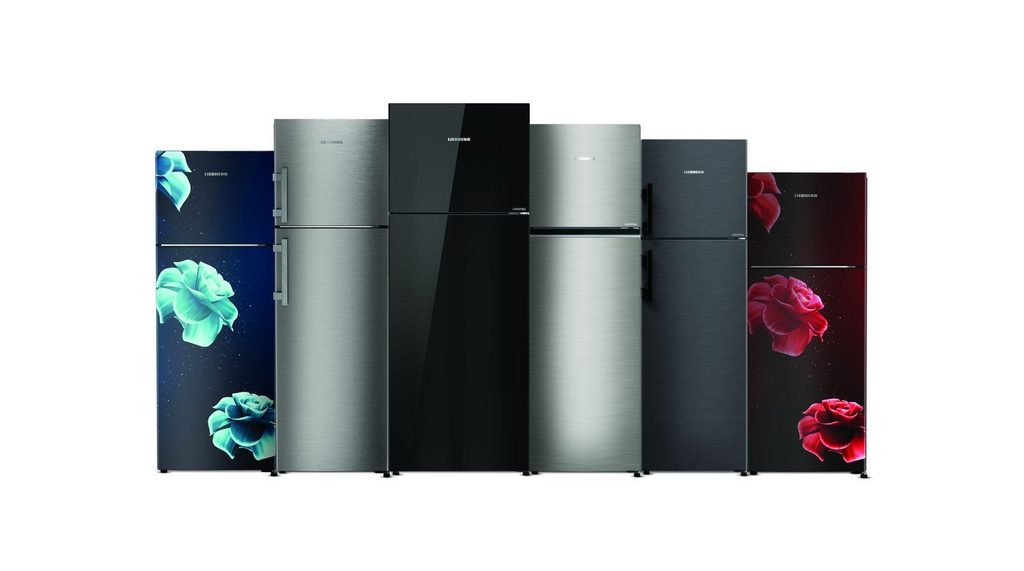
A double door fridge typically separates the refrigerator and freezer compartments into independently controlled cooling zones, rather than sharing one airflow path, which means opening the freezer to grab a frozen batch of soup doesn’t send a burst of warm air through the fresh food side the way it can in a combined single-door layout.
That independence helps maintain more stable temperatures across large batch-cooked quantities, since the fresh food compartment isn’t constantly recovering from freezer-related temperature swings on top of its own door-opening cycles.
On a Liebherr double door fridge that zoning is built in: meat and fish can go into the FreshBox, so they stay sealed instead of sharing air and odour with cooked meals and dairy.
The extra shelf and drawer space that typically comes with this format also makes the zoning system described earlier easier to maintain in practice. More distinct shelves mean raw meat, dairy and ready-to-eat leftovers can sit further apart instead of being stacked close together out of necessity, and deeper drawers give produce more room without crowding it against other zones.
For a household that preps in large batches every week, the fridge’s internal layout stops being a background detail and becomes one of the main factors determining whether the zoning system actually holds up.
Stop Thinking About What to Cook Every Day
Healthy Eating, Kids Tiffin, PCOS and Weight loss meals, all planned out for you. Just follow the plan and cook. From ₹299.
Frequently Asked Questions (FAQ)
How long does batch-cooked food actually last in the fridge versus the freezer?
Cooked meals stored properly in the coldest part of the fridge generally hold their quality for a few days, while the same meals moved to the freezer can last much longer because freezing halts the microbial activity that drives spoilage rather than just slowing it down.
The exact timeline depends heavily on the type of food, how it was cooled before storage and how consistently the fridge itself holds a low temperature, so treating any fridge-versus-freezer estimate as a rough guide rather than a fixed rule is the safer approach.
Is it safe to put warm food directly into the fridge?
Yes, but how the food is handled beforehand determines how much strain it puts on the rest of the fridge. Rather than relying on the fridge to absorb all the heat at once, the practical fix sits in how the food is portioned and cooled first.
Splitting a big pot into several shallow, wide containers exposes more surface area to the air, so the food sheds heat far faster than it would as one dense mass in a tall container.
Some cooks speed this along with an ice bath – setting the filled container into a larger bowl of ice water for a few minutes before sealing and refrigerating. The goal isn’t to cool the food all the way down at the counter; it’s to knock off the worst of the heat so the fridge only has to handle the rest.
Do I need to reorganize my whole fridge every time I batch cook?
Not entirely — once shelves have assigned roles, a batch-cooking session mostly means slotting new containers into their existing zone rather than rearranging everything.
The main adjustment during a big prep session is making temporary room for the heat load of freshly cooked batches, which sometimes means shifting older containers closer together for a day until the new food has fully cooled.
Related Posts You May Like