

Spicy Vegan Kimchi: Authentic Korean Fermented Cabbage Recipe

30 minutes
1348 reads
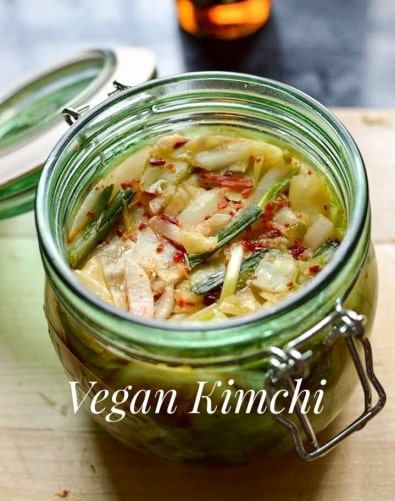
About Spicy Vegan Kimchi: Authentic Korean Fermented Cabbage Recipe
Dive into the vibrant world of Korean cuisine with this authentic vegan kimchi recipe! This fermented cabbage delight is bursting with spicy, tangy, and umami flavors that will tantalize your taste buds. Learn how to easily make this probiotic powerhouse at home, perfect for adding a unique kick to any meal.Our recipe uses simple ingredients and a step-by-step guide to ensure a successful fermentation process, resulting in a kimchi that's both delicious and healthy. Get ready to experience the satisfying crunch and complex flavors of homemade kimchi – a true culinary adventure awaits!Beyond its incredible taste, this vegan kimchi is packed with gut-friendly probiotics, boosting your digestive health. Whether you're a seasoned kimchi lover or a curious newcomer, this recipe is your passport to a world of flavor and wellness.
Stop Thinking About What to Cook Every Day
Healthy Eating, Kids Tiffin, PCOS and Weight loss meals, all planned out for you. Just follow the plan and cook. From ₹299.
Recipe Time & More
Prep30 minutes
Total30 minutes
Ingredients
Vegetables
- 1 medium Napa Cabbage
- 1 medium Radish
- 2.5 Scallions about 1 cup chopped
Spice Paste
- 2 large Garlic Cloves minced or use 2 tbsp garlic paste
- 1 tbsp Ginger grated
- 1 tbsp Gochugaru korean chili flakes, adjust to your spice preference
- 1/2 tsp Gochujang korean chili paste, for added depth and flavor, optional
- 1/4 tsp Pepper Powder korean gochugaru preferred, but cayenne works too, red
- 1 tbsp Soy Sauce
- 1/2 tsp Sugar granulated or brown sugar
Instructions
Prepare the Cabbage
- Cut the napa cabbage into 1-inch pieces. Remove the tough core.
- Transfer the cabbage to a large bowl. Sprinkle with 1/4 cup salt, and massage thoroughly with your hands for 5-7 minutes until the cabbage softens and releases its liquid.
- Add 1/2 cup of filtered water to the bowl, ensuring the cabbage is submerged. Weigh down the cabbage using a plate and a heavy object (such as a jar filled with water) for at least 2 hours, or until the cabbage is wilted and thoroughly salted.
- Drain the brine completely and rinse the cabbage under cold running water for 2 minutes. Squeeze out as much excess water as possible, and transfer to a colander to drain further.
Make the Kimchi Paste
- In a medium bowl, combine the minced garlic, grated ginger, gochugaru (Korean chili flakes), gochujang (if using), red pepper powder, soy sauce, and sugar. Mix until you achieve a smooth paste. Add a tablespoon or two of water if needed to adjust consistency.
Combine and Ferment
- Peel and thinly slice the radish. Chop the scallions into 1-inch pieces.
- Add the prepared cabbage, radish, and scallions to a large bowl. Pour the kimchi paste over the vegetables. Using clean hands or gloves, thoroughly combine everything, ensuring the paste coats each vegetable piece evenly. Gently massage and mix for approximately 5 minutes.
- Pack the kimchi tightly into a clean, wide-mouthed glass jar, leaving about 2 inches of headspace at the top. The jar should be nearly full, but not overflowing.
- Allow the kimchi to ferment at room temperature (ideally 65-70°F) for 2-3 days, or until you see active bubbling on the surface. Stir once daily with a clean utensil or sanitized gloves. The fermentation time depends on the ambient temperature – warmer temperatures speed up the process.
Refrigerate and Enjoy
- Once the desired level of fermentation is reached (bubbles on the surface and a slightly sour smell), refrigerate the kimchi. Allow it to sit in the refrigerator for at least a week to allow the flavors to fully mature. The kimchi will continue to ferment slowly in the refrigerator, developing even more depth over time. Store in the refrigerator for up to 2-3 months (or longer, depending on your preference).
Recipe Notes
Expert Tips for the Best Vegan Kimchi
- Choose the right cabbage: Napa cabbage is ideal for kimchi, but you can experiment with other varieties like Chinese cabbage.
- Adjust the spice level: Start with less chili flakes and red pepper powder, and gradually add more to your liking. The paste recipe is intended as a starting point, feel free to adjust to your tastes.
- Ensure proper salting: Thoroughly salting the cabbage is crucial for drawing out moisture and creating the right environment for fermentation. Don’t rush this process.
- Use a fermentation weight: Using a plate and a heavy object to weigh down the cabbage while salting ensures even pressure and better fermentation.
Related Posts You May Like
-

Spicy Kimchi Fried Rice Vegan Buddha Bowl
1144 reads
-

-

-

-

-










Recipe Nutrition
Calories: 3kcalCarbohydrates: 1gSodium: 57mgSugar: 1g

Sweta Biswal
Articles: 91
5 Comments
Leave a Reply
You must be logged in to post a comment.
What a delicious recipe! Thanks for posting.
Great recipe! I’m eager to try it.
This looks so tasty! Thank you.
Looks so mouthwatering! Thanks for sharing.
Very good have you finished or something left