
Cooking Tips To Remain Healthy

1434
reads

Eating healthy is essential for maintaining a strong and active lifestyle. If you are struggling to follow a balanced diet and looking for ways to eat healthier, this guide is here to help. By incorporating healthy cooking habits, you can create nutritious meals that support your well-being while still being delicious.
Most of us do not consume enough fiber, vitamins, and essential nutrients because we rely too much on processed foods.
To change this, the best approach is to start cooking meals at home. When you prepare food yourself, you have full control over the ingredients, portion sizes, and nutritional value.
Table of Contents
Here are the top 10 Cooking Tips To Remain Healthy that will help you transform your eating habits and embrace a nutritious lifestyle.
Cooking Tips To Remain Healthy
1. Create a Balanced Meal Plan
A well-structured meal plan is the foundation of healthy eating. Without a low-carb diet plan, it can be difficult to consistently prepare healthy meals for breakfast, lunch, and dinner.
How to Plan Your Meals:
- Create a weekly meal plan using a journal or an Excel sheet.
- Shop for all necessary ingredients in advance to avoid last-minute unhealthy choices.
- Explore low carb recipes online to find inspiration and variety in your meals.
- Include a balance of proteins, healthy fats, whole grains, and vegetables in your diet.
By planning your meals in advance, you ensure that you have everything you need to cook nutritious and delicious meals throughout the week.
Also Read: 9 Secret Cooking Hacks To Make You The Kitchen Genius
2. Include Whole Grains in Your Diet
Many people rely on refined grains such as white bread and pasta, which lack essential nutrients. Instead, switch to whole grains, which are rich in fiber, vitamins, and minerals.
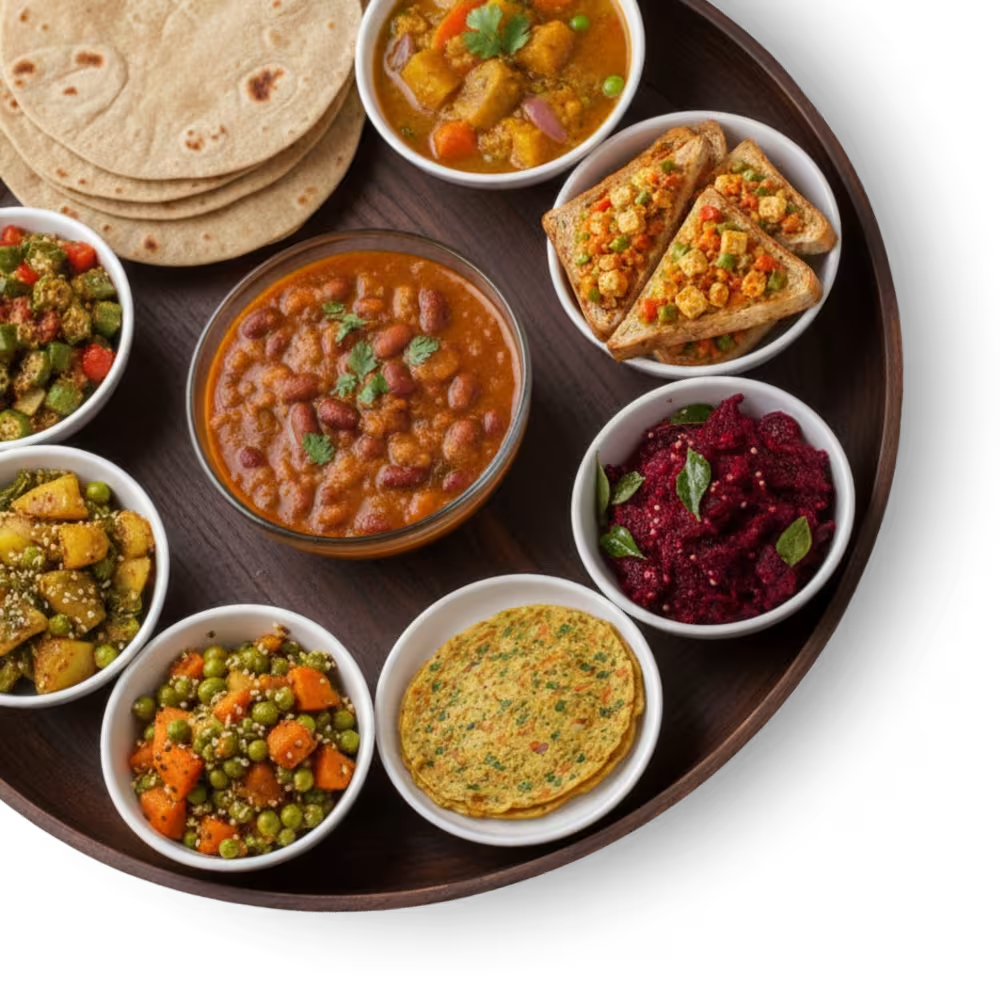
Stop Thinking About What to Cook Every Day
Healthy Eating, Kids Tiffin, PCOS and Weight loss meals, all planned out for you. Just follow the plan and cook. From ₹299.
Benefits of Whole Grains:
- Provide more fiber, which aids digestion and keeps you full for longer.
- Contain magnesium, zinc, and B vitamins for overall health.
- Help regulate blood sugar levels and reduce the risk of chronic diseases.
Healthy Whole Grains to Include:
- Brown rice instead of white rice
- Whole wheat pasta instead of regular pasta
- Quinoa, oats, and barley for breakfast and side dishes
3. Limit Salt and Sugar Intake
Excessive consumption of salt and sugar can lead to serious health issues such as hypertension, heart disease, and diabetes.
Ways to Reduce Salt and Sugar:
- Use natural sweeteners like honey or maple syrup instead of refined sugar.
- Opt for herbs and spices to add flavor instead of salt.
- Check product labels and choose low-sodium and low-sugar options.
- Avoid processed foods, which often contain hidden sodium and sugars.
Also See
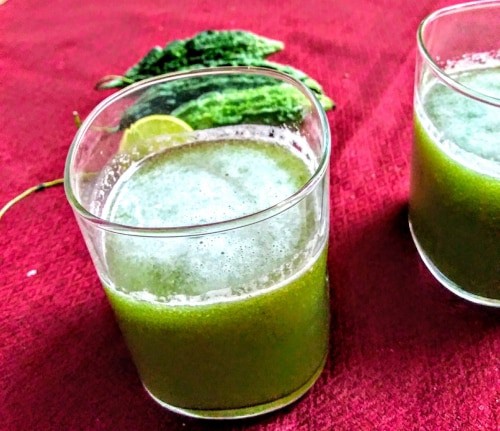
Karela Juice For Diabetes, Weight Loss
Bitter gourd, also known as karela, is renowned for its impressive health benefits, making it a powerful addition to your daily routine. Especially valued for managing diabetes and supporting weight loss, this vibrant juice also offers a natural boost to your overall wellness.
Enjoying a glass of karela juice—enriched with a splash of lemon and a pinch of salt—isn’t just for those with health concerns. This energizing beverage is a refreshing way to kickstart your day, providing a nutrient-packed start whether or not you’re addressing a specific condition.
View Recipe
~ 12kcal
4. Eat More Green Vegetables and Fruits
Only a small percentage of adults consume the recommended amount of fruits and vegetables daily. These foods are packed with fiber, vitamins, minerals, and antioxidants that promote overall well-being.
Easy Ways to Add More Vegetables and Fruits:
- Start your day with a fruit smoothie or a vegetable omelet.
- Add leafy greens to sandwiches, wraps, and pasta dishes.
- Replace regular noodles with zucchini or sweet potato noodles.
- Snack on fresh fruit, nuts, or yogurt instead of chips or cookies.
5. Cook with Healthy Global Flavors
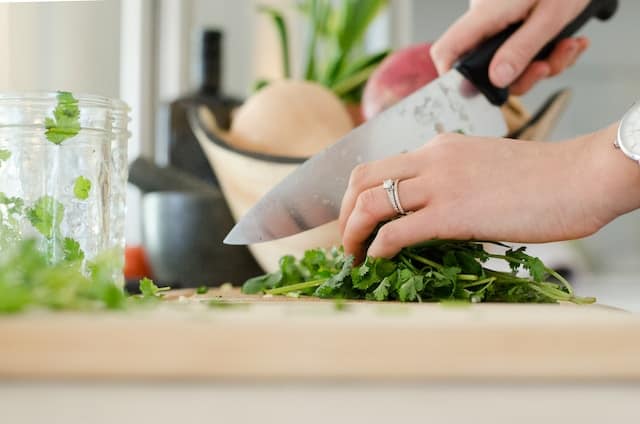
Many traditional global cuisines are naturally healthy and nutrient-rich. Instead of using processed seasonings, opt for natural spices and herbs.
Healthy Global Cuisine Ideas:
- Traditional Mediterranean Diet Recipes – Includes olive oil, fresh vegetables, whole grains, and lean proteins.
- Japanese Cuisine – Features fresh seafood, fermented foods, and low-calorie meals.
- Indian Cuisine – Uses spices like turmeric, cumin, and ginger, which have anti-inflammatory benefits.
- Thai Cuisine – Incorporates fresh herbs, coconut milk, and lean proteins.
By experimenting with different global flavors, you can create delicious, healthy meals without relying on excessive salt or artificial ingredients.
6. Increase Protein Intake
Protein is essential for muscle growth, metabolism, and overall health. However, it’s important to consume the right portion size and opt for healthy sources.
Protein-Rich Foods:
- Lean meats like chicken and turkey
- Fish such as salmon and tuna
- Eggs, legumes, beans, and tofu
- Nuts, seeds, and Greek yogurt
A serving of protein should be about 3 ounces cooked or 4 ounces raw, roughly the size of a deck of cards. Also, incorporate plant-based proteins to add variety to your diet.
7. Follow a High-Fat Low Carb Diet
Contrary to popular belief, fat is not always bad for you. In fact, following a high-fat low carb diet can help with weight management and overall health. Healthy fats are essential for nutrient absorption, brain function, and heart health.
Healthy Fats to Use:
- Olive oil and avocado oil for cooking and dressings
- Nuts and seeds for snacking or toppings
- Fatty fish like salmon for omega-3 benefits
- Coconut oil for cooking certain dishes
Avoid trans fats and hydrogenated oils, which are found in many processed foods.
8. Keep Portions Reasonable
Even healthy foods can lead to weight gain if eaten in excessive portions.
Portion Control Tips:
- Use smaller plates to reduce portion sizes naturally.
- Avoid eating straight from the bag or container.
- Listen to your body’s hunger cues and stop eating when satisfied.
- Balance your plate with half vegetables, one-quarter protein, and one-quarter whole grains.
Also See
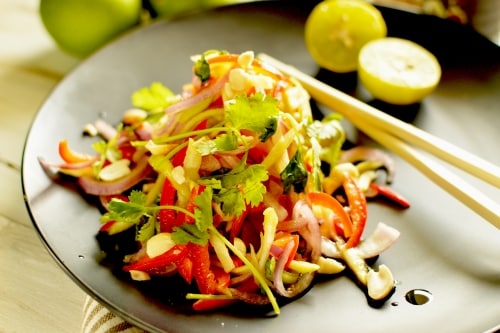
Vegan Thai Salad | Easy Thai Salad
Vegan Thai Salad: Fresh ingredients. The play of colors. And a zingy sweet-sour-savory dressing makes this South East Asian delight the iconic dish that it has become. For one can't help but fall in love with this once exotic salad that offers a mouthful of flavors and textures thrown together in good measure. I love the fact that one can make this salad without resorting to the use of any canned/preserved ingredients and preservative laden seasonings. While it is tough the find someone who does not know about it these days, I find that most restaurants serve the more popular seafood version. But the vegan version can be equally delicious if not more. Here is one which uses raw mangoes that are so 'in season' !!
View Recipe
~ 174kcal
9. Stay Hydrated
Drinking enough water is just as important as eating the right foods. Proper hydration helps with digestion, energy levels, and detoxification.
Hydration Tips:
- Aim for 8-10 glasses of water daily.
- Include herbal teas, infused water, or coconut water for variety.
- Limit sugary drinks and sodas that can add empty calories.
10. Avoid Overcooking and Preserve Nutrients
Overcooking food can strip away essential vitamins and minerals. Instead, opt for gentler cooking methods.
Best Cooking Techniques:
- Steaming and boiling to retain water-soluble vitamins
- Grilling and roasting for enhanced flavors without excess oil
- Sautéing with olive oil for a balance of taste and health
- Using a slow cooker to preserve nutrients while keeping meals convenient
Final Thoughts
Simply buying fresh and organic ingredients is not enough. You must also cook them properly using healthy techniques and maintain a balanced meal plan.
By following these Cooking Tips To Remain Healthy, you can prepare delicious, nutritious meals that support your overall well-being. Remember, small consistent changes in your cooking habits will lead to long-term health benefits.
So start today! Choose fresh ingredients, control your portions, and enjoy the process of cooking healthy meals for yourself and your family.
Also See:
- 12 Steps That Encouraged My Child To Adopt Healthy Eating Habits
- How to Eat Healthy and Nutritious Food Everyday
- 8 Quick Healthy Breakfasts For Busy Students
Related Posts You May Like
-

-
-
-
-
Essential Cooking Tips for Every Home Chef
1433 reads
-