
Blue Spirulina: Benefits, Uses, and Everything You Need to Know
217
reads
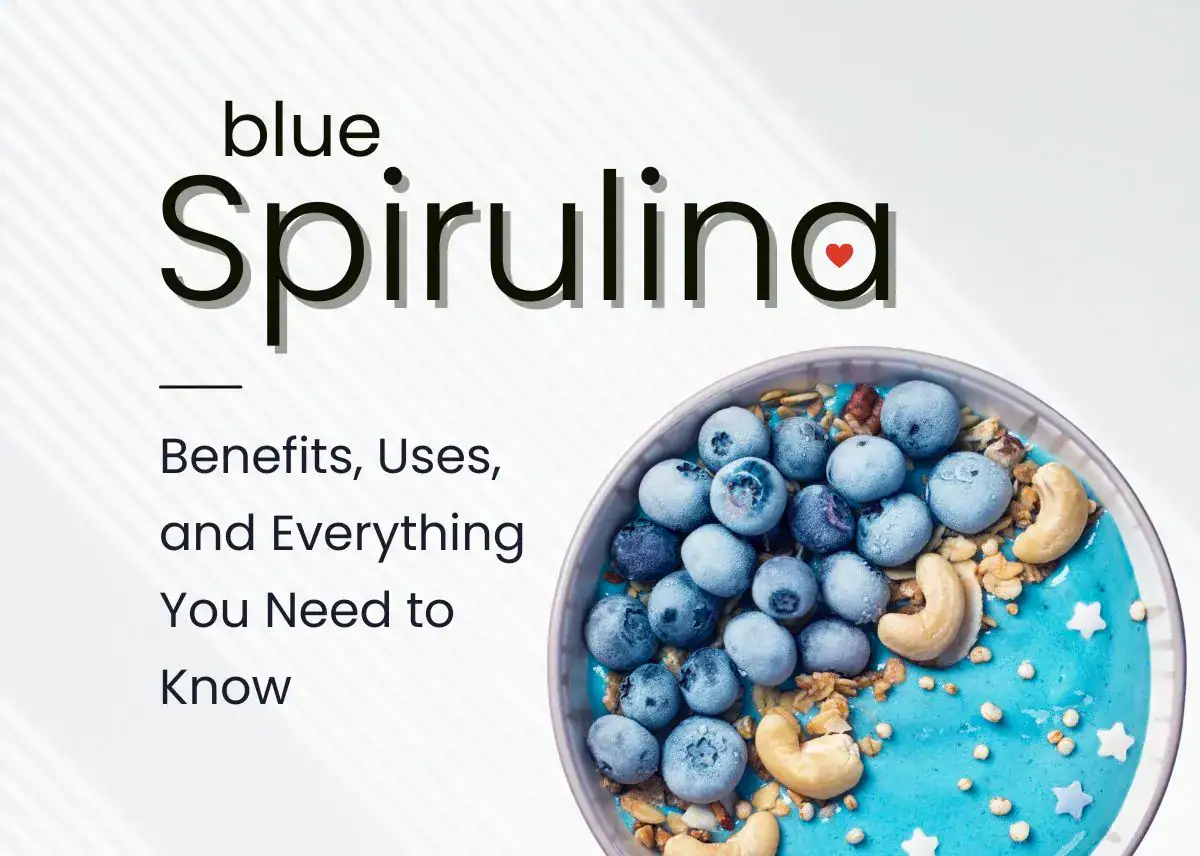
That bright ocean-blue smoothie bowl you’ve seen all over Instagram?
It’s not Photoshop – it’s blue spirulina, one of the most vibrant and nutrient-dense superfoods trending in the wellness world. With just a teaspoon of this striking blue powder, your regular smoothie transforms into a visually stunning creation – and it’s not just pretty. Beneath that bold hue lies a powerhouse of antioxidants, plant protein, and potential health benefits.
But what exactly is blue spirulina, where does it come from, and why is everyone from athletes to food bloggers adding it to their meals? Let’s dive into the science, the nutrition, and the best ways to use this natural superfood.
Table of Contents
What Is Blue Spirulina?
Blue spirulina is a concentrated extract derived from Arthrospira platensis, a type of blue-green algae commonly known as spirulina. Traditional spirulina is green due to its chlorophyll content, but when extracted for its unique pigment – phycocyanin – it becomes a brilliant blue powder with remarkable nutritional value.
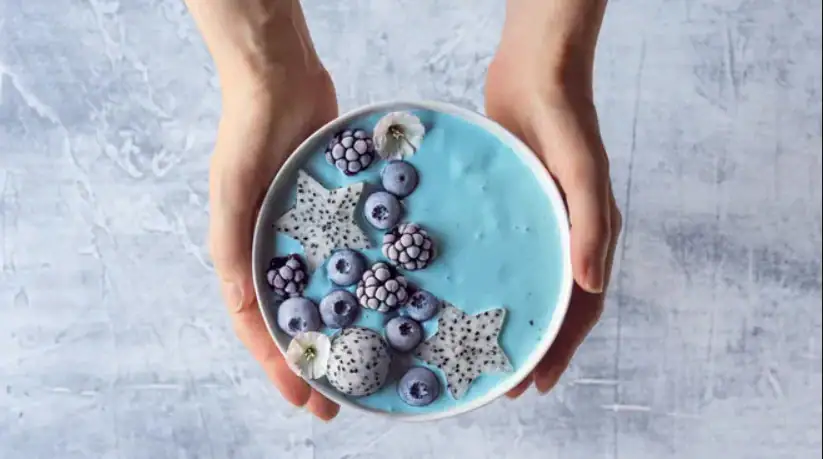
Phycocyanin is not just a pigment. It’s a powerful antioxidant responsible for blue spirulina’s vibrant color and many of its health benefits.
Unlike standard green spirulina, which has a strong, ocean-like taste, blue spirulina is much milder and almost neutral, making it ideal for blending into smoothies, lattes, desserts, and even natural food colorings.
Where Does Blue Spirulina Come From?
Spirulina has been around for centuries – ancient Aztecs consumed it from Lake Texcoco, and it’s still harvested today from freshwater lakes and ponds in regions like Mexico, Africa, and Southeast Asia.
Blue spirulina, however, is a refined extract of this same algae. The phycocyanin pigment is carefully separated from the green spirulina biomass, purified, and dried into a fine blue powder. This makes blue spirulina more expensive than the standard green variety, but also more versatile in culinary uses.
Nutritional Benefits of Blue Spirulina
While its electric-blue color draws attention, it’s the nutrition profile of blue spirulina that truly makes it a superfood. Here’s what a small spoonful packs in:
- High-quality plant protein – Contains all essential amino acids, supporting muscle recovery and repair.
- Iron and vitamin B – Vital for red blood cell formation, oxygen transport, and energy production.
- Phycocyanin antioxidants – Fight free radicals, reduce oxidative stress, and support the immune system.
- Detoxifying properties – May help the body eliminate heavy metals and toxins.
- Energy and metabolism support – Regular consumption can help maintain steady energy levels and improve endurance.
Did you know? A single tablespoon of spirulina can contain up to 4 grams of protein – more than a large egg – while also providing iron, magnesium, and powerful antioxidants.
Blue Spirulina vs Green Spirulina: What’s the Difference?
Both blue and green spirulina come from the same algae, but they’re not identical. Here’s how they compare:
| Feature | Blue Spirulina | Green Spirulina |
|---|---|---|
| Color | Brilliant blue (from phycocyanin) | Deep green (from chlorophyll) |
| Taste | Mild, neutral | Strong, earthy, ocean-like |
| Nutrient focus | Phycocyanin antioxidants | Chlorophyll + complete nutrients |
| Culinary use | Best for smoothies, lattes, desserts | Better for savory dishes, capsules |
| Cost | More expensive (due to extraction) | More affordable |
Best of both worlds: Including both types in your diet can maximize the benefits – green spirulina for its complete nutrition, and blue spirulina for its antioxidant power and culinary versatility.

Stop Thinking About What to Cook Every Day
Healthy Eating, Kids Tiffin, PCOS and Weight loss meals, all planned out for you. Just follow the plan and cook. From ₹299.
Is Blue Spirulina Safe?
Yes – blue spirulina is considered safe for most people when consumed in recommended amounts. It’s a natural, plant-based supplement with no known major side effects. However, there are a few safety considerations to keep in mind:
- Buy from trusted brands: Spirulina grown in contaminated water can contain heavy metals or toxins. Always choose products that are third-party tested and certified for purity.
- Check with your doctor: If you have autoimmune conditions, are pregnant, or are on medications, consult a healthcare professional before adding spirulina to your diet.
- Start small: Begin with ½ teaspoon per day and gradually increase as your body adjusts.
How to Choose a High-Quality Blue Spirulina Powder
Because blue spirulina is a concentrated extract, quality can vary greatly between brands. Here’s what to look for:
- 100% pure phycocyanin extract – Avoid products with fillers, artificial colors, or added sugars.
- Lab-tested for purity – Look for third-party certifications ensuring it’s free from heavy metals and contaminants.
- Sustainably sourced – Grown in clean freshwater environments under controlled conditions.
- Opaque packaging – Phycocyanin is light-sensitive, so quality brands use light-protective containers.
Creative Ways to Use Blue Spirulina in Recipes
Blue spirulina isn’t just healthy – it’s a creative tool in the kitchen. Its neutral flavor and vivid color make it easy to add to foods without altering the taste. Here are a few delicious ways to use it:
1. Smoothies and Bowls
Turn your morning smoothie into an Instagram-worthy masterpiece with just one teaspoon of blue spirulina.
Try this combo:
- 1 frozen banana
- ½ cup mango chunks
- 1 cup coconut milk
- 1 tsp blue spirulina
Blend until smooth for a refreshing, antioxidant-rich breakfast bowl.
2. Lattes and Drinks
“Blue lattes” have become a wellness café favorite – and they’re caffeine-free. Simply whisk ½ teaspoon blue spirulina into warm plant-based milk, add a dash of vanilla, and a drizzle of honey for a soothing, nutrient-packed beverage.
3. Baking and Desserts
Use blue spirulina to naturally color frostings, protein balls, raw desserts, or chia puddings. It adds vibrancy without synthetic dyes, making it ideal for health-focused bakers.
Pro tip: Avoid using blue spirulina in high-heat recipes – its protein-rich phycocyanin breaks down under heat and loses its color.
Frequently Asked Questions About Blue Spirulina
1. What exactly is blue spirulina?
Blue spirulina is a natural extract derived from green spirulina, a type of blue-green algae. It gets its vibrant color from phycocyanin, a powerful antioxidant pigment. Unlike regular spirulina, blue spirulina has a neutral taste and is commonly used to boost nutrition and add natural color to smoothies, drinks, and desserts.
2. Is blue spirulina good for your health?
Yes, blue spirulina is rich in antioxidants, plant-based protein, iron, and B vitamins. It may help support the immune system, reduce inflammation, improve energy levels, and promote detoxification. Its antioxidant content also helps fight free radicals and protect cells from oxidative stress.
3. How is blue spirulina different from green spirulina?
The main difference is in their composition and taste. Blue spirulina is extracted solely for its phycocyanin content, giving it a bright blue color and a mild, neutral flavor. Green spirulina contains chlorophyll and other nutrients but has a stronger, ocean-like taste. Both offer significant health benefits and can complement each other in a balanced diet.
4. How do you use blue spirulina in food and drinks?
You can add blue spirulina to smoothies, smoothie bowls, lattes, juices, raw desserts, or frostings. Use about ½ to 1 teaspoon per serving. Since it is heat-sensitive, avoid adding it to hot recipes or during cooking, as high temperatures can reduce its color and nutritional properties.
5. Is blue spirulina safe for everyone?
Blue spirulina is generally safe when consumed in recommended amounts. However, it’s important to choose a high-quality product from a trusted source to avoid contamination. If you’re pregnant, nursing, have an autoimmune condition, or are on medication, consult your doctor before adding blue spirulina to your diet.
6. Can blue spirulina help with weight loss?
Blue spirulina is not a weight-loss product on its own, but it can support weight management as part of a balanced diet. Its high protein content helps promote satiety, while its nutrients may support metabolism and energy levels, making it easier to maintain a healthy lifestyle.
7. Does blue spirulina have any side effects?
Most people tolerate blue spirulina well, but consuming excessive amounts may cause mild digestive discomfort. Always follow the recommended serving size and purchase from reputable brands to ensure purity and safety.
8. Is blue spirulina better than green spirulina?
Not necessarily. Blue spirulina is more antioxidant-focused and easier to use in recipes, while green spirulina has a broader nutrient spectrum. Both offer powerful health benefits.
9. Can you heat blue spirulina?
No. Phycocyanin is heat-sensitive, so it’s best used in cold or room-temperature recipes like smoothies, lattes, and raw desserts.
Final Thoughts: Why Blue Spirulina Deserves a Spot in Your Pantry
Blue spirulina is much more than a trendy ingredient for visually striking smoothies.
It’s a nutrient-dense, antioxidant-rich superfood with potential benefits ranging from immune support and inflammation reduction to improved energy and detoxification.
Its neutral flavor and striking color make it one of the easiest superfoods to incorporate into your diet – without compromising taste.
Whether you’re a wellness enthusiast, a plant-based eater, or just someone looking to boost their meals with natural nutrition and color, blue spirulina is worth trying. Start with small amounts, choose a reputable source, and explore the many ways this superfood can transform your kitchen creations.
Ready to try it? Add a teaspoon to your next smoothie or latte and experience the vibrant power of blue spirulina for yourself.
Related Posts You May Like
-

-
-

-
-
15 Exotic Fruits And Their Health Benefits
1457 reads
-