
Quick & Easy 7 Gluten-Free Thai Recipes for Busy Students
284
reads
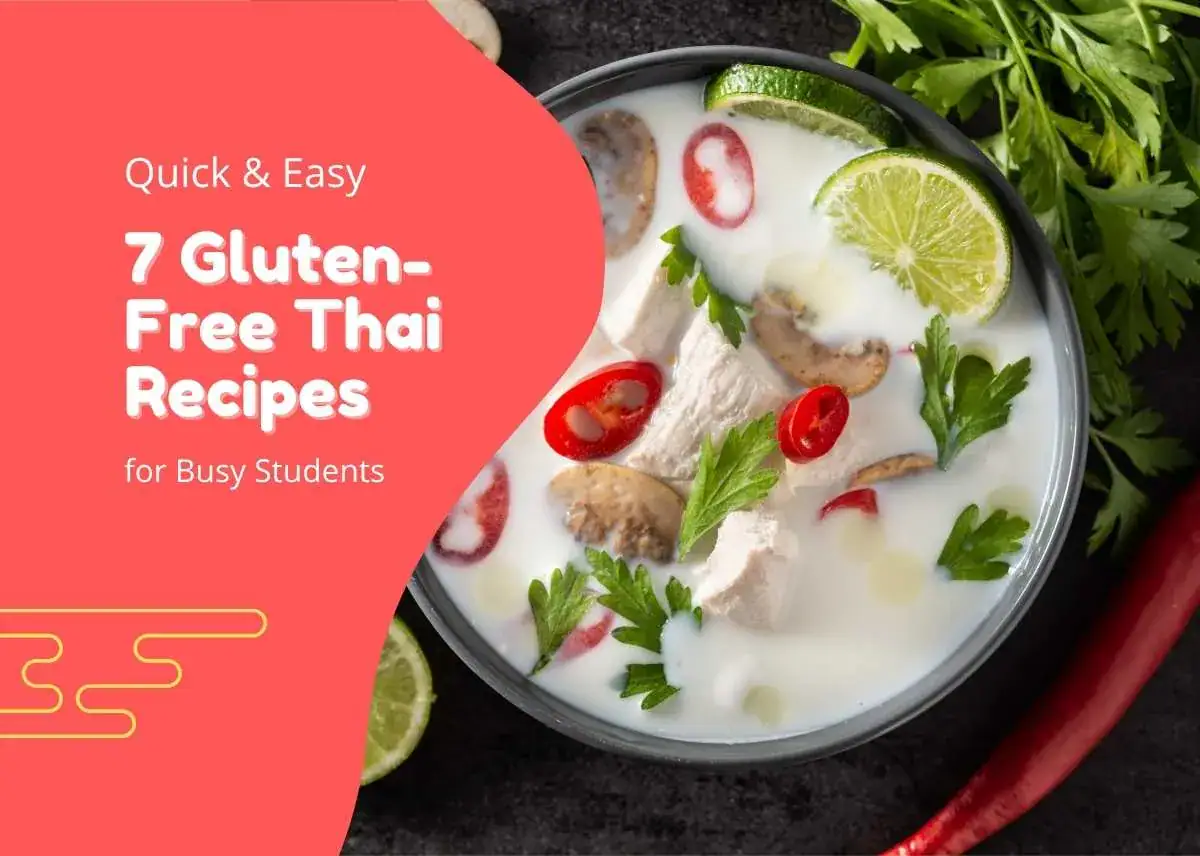
This article will provide 7 Gluten-Free Thai Recipes for Busy Students, from vibrant curries to flavorful stir-fries. Enjoy authentic recipes for each dish, perfect for anyone with dietary restrictions or gluten sensitivities. Taste Thailand’s rich flavours, guilt-free!
Are you a student juggling classes, assignments, and a social life, all while trying to eat healthy? If you’re searching for delicious food that fits your gluten-free lifestyle, Thai cuisine offers vibrant flavors without compromising your diet.
Many Thai dishes are naturally gluten-free and quick to prepare, making them perfect for busy schedules. According to the GFG guide, various food stalls and cafes in Thailand sell gluten-free dishes.However, you can enjoy all of these flavours of Thailand at home or wherever your journey takes you next in food.
Student life is demanding. Between back-to-back lectures, group projects, and part-time jobs, even finding time to cook can feel overwhelming.
That’s why we’ve put together this guide with 7 must-try gluten-free Thai recipes—all simple, quick, and satisfying. Plus, if your academic plate is as full as your dinner plate, don’t hesitate to explore assignment writing services to manage your coursework effectively while still making time for wellness.
Table of Contents
Key Insights for Students:
- Thai food is often naturally gluten-free, built around rice, herbs, and vegetables.
- Substitute soy sauce with tamari or gluten-free soy sauce.
- Always check your noodles—not all are gluten-free.
- These recipes are easy to prep in shared kitchens or dorms.
Easy 7 Gluten-Free Thai Recipes for Busy Students
1. Pad Thai (Gluten-Free Version)
A classic Thai street food, Pad Thai is sweet, savory, and easy to customize. Swap traditional soy sauce for tamari and use rice noodles for a perfect gluten-free base.
Pad Thai is probably the most famous Thai dish in the world because of its sweet, salty, sour and spicy taste. Though tamarind paste, fish sauce, and sugar are all gluten-free foods.
As reported by the Mayo Clinic Foundation, Pad Thai, a popular food item, is increasingly demanded and needs a gluten-free option as more people follow a gluten-free food for health reasons like celiac disease. Hundreds of Thai restaurants around the world try to accommodate gluten-intolerant customers by re-creating classic Thai dishes in gluten-free form
Ingredients:
- 200g rice noodles
- 2 tbsp tamari sauce
- 1 tbsp fish sauce
- 1 tbsp lime juice
- 1 tbsp brown sugar
- 2 eggs
- 100g shrimp or chicken
- Crushed peanuts, bean sprouts, green onions, cilantro
Instructions:
- Cook noodles as per package.
- Scramble eggs in a heated pan.
- Add shrimp/chicken and cook.
- Stir in sauces, noodles, and toppings.
- Garnish and serve. Great for leftovers too!
2. Tom Yum Soup
Tom Yum is a yummy, punchy and fragrant soup. If you are a fan of Thai food items, this one is a must-try. As per the report by Research Gate, the sensory profile of commercial instant Tom Yum soups available in the market.
The researchers noted that despite efforts, old flavours were found in such new versions, tastes, smells, and textures. You know what that means; you should think twice about what’s in your hot dogs.
Ingredients:
- 500g shrimp
- 3 cups chicken broth
- Lemongrass, kaffir lime leaves, Thai chilies
- Tomatoes, mushrooms
- Lime juice, fish sauce
Instructions:
- Simmer herbs and chilies.
- Add shrimp and vegetables.
- Finish with lime juice and garnish.
3. Green Curry with Chicken
Green curry is another Thai favourite that’s easy to make gluten-free. With ingredients like green curry paste, cream and plenty of exotic vegetables, this one is a fragrant and tasty dish. The Gaeng Keow Wan Gai has a cultural place in the Thai food heritage.
As per the report, the dish has a history that can be further dated to the early 20th century of the rule of King Rama, making it a somewhat new creation of Thai cuisine. The distinctive balance of flavours sets it apart, and that’s what the Thai concept is- a winning combination of sweet, salty, sour and spicy.
Ingredients:
- 500g chicken
- 2 tbsp green curry paste
- 1 tbsp fish sauce
- 1 tbsp palm sugar
- Bamboo shoots, bell peppers, Thai basil
- Coconut milk
Instructions:
- Saute curry paste.
- Add chicken, then vegetables and coconut milk.
- Simmer and serve over rice.
4. Som Tum (Papaya Salad)
Som Tum is a Thai green papaya salad, a bright dish prepared with papaya, cherry, green beans, peanuts, and a zesty dressing. This salad is already gluten-free and has a nice crunch.
As per the Journal of Ethical Food Study, the ingredients in Som Tum, particularly green papaya, contain vitamins A and C (which are beneficial to skin) and C (which contributes to the immune system).
Moreover, green papaya also contains enzymes such as papain that support digestion and the inflammatory response. The capsaicin in the chilli peppers of the dish has been proven to increase metabolism and circulation.
Ingredients:
- 1 green papaya (shredded)
- Chopped tomatoes, green beans, garlic
- Palm sugar, lime juice, fish sauce
- Crushed peanuts
Instructions:
- Crush garlic, chilies, and sugar in a mortar.
- Mix with juice and sauce.
- Toss with veggies. Add peanuts.
Bonus: It’s great for skin and digestion—key for glowing through exam stress!
5. Thai Basil Chicken (Pad Krapow Gai)
Pad Krapow Gai, or Thai basil chicken, is a popular meal featuring cooked chicken with basil and a quick and spicy sauce. The secret is in the fragrant basil and the well-balanced salty, spicy and sweet flavours.
Its history goes back to the curious origins of stir-frying in Thailand, which dates back to the 1940s when Chinese immigrants arrived in the 1940s and introduced Thais to stir-fries and spices.
The Guardian indicates that this dish is likely inspired by a traditional Chinese stir-fried beef that makes use of the cumin leaves found in Chinese cuisine, although it has since become another dish entirely, adding Thai holy basil and other local herbs.
Ingredients:
- 500g ground chicken
- Thai basil, garlic, Thai chilies
- Fish sauce, gluten-free soy sauce, sugar
Instructions:
- Stir-fry garlic and chilies.
- Add chicken and sauces.
- Add basil last and cook till wilted.
6. Massaman Curry
A milder, more decadent Thai curry, Massaman is a mix of soft meat (usually beef or chicken), coconut milk, and aromatic spices such as cinnamon, cloves, and cardamom.
As per a report that Massaman curry was voted No.1 delicious food in the world and one of the 50 best foods of the world by CNNGo, which is the global arm of CNN.
Ingredients:
- 500g beef/chicken
- Coconut milk
- Massaman curry paste, potatoes, onion
- Fish sauce, tamarind paste, peanuts
Instructions:
- Saute onion and curry paste.
- Add meat and liquids.
- Simmer until tender.
- Sprinkle with peanuts.
7. Khao Soi (Curry Noodle Soup)
Khao Soi is a northern Thai speciality, a rich, coconut curry soup topped with crunchy noodles. The savoury soup can be prepared with chicken or beef. It has a delightful blend of flavours.
Inside the dish, Khao soi is renowned by food experts for its perfect blend of spice, sour, and sweet flavours, which together are thought to have been the secret to its success both in Thailand and around the globe.
Ingredients:
- 200g gluten-free noodles
- 500g chicken
- Coconut milk, red curry paste, lime juice
- Onion, cilantro
Instructions:
- Cook noodles and set aside.
- Make soup with curry paste and coconut milk.
- Add chicken, simmer.
- Serve over noodles, garnish.
What are the benefits of gluten-free Thai dishes?
Gluten-free Thai dishes are essential for human health. Gluten products can increase stress signs and cause various health issues.
There are many benefits to enjoying gluten-free Thai cuisine. Some are listed below.
1: Improved Digestion
For those with celiac disease or gluten intolerance, gluten-free foods can bring tremendous digestive relief. When intolerant individuals consume gluten, it can cause various gut issues, from bloating to diarrhea and constipation.
According to a report by the NIDDK, gluten-free Thai dishes promote better stomach health. This is a primary benefit, as a healthy stomach contributes to an overall healthy lifestyle.
2: Increased Nutrient Absorption
A Mayo Clinic study suggests that a gluten-free diet may lead to improved nutrient absorption, especially for those with celiac disease. Eliminating gluten can help in the better uptake of essential nutrients such as iron, calcium, and various vitamins.
In Thailand, many of these dishes are served with regular meals as they aid digestion and enhance nutrient absorption.
3: Reduced Inflammation
A diet high in gluten can negatively impact your overall health by increasing inflammation within your body. As per Harvard Health Publishing, eliminating wheat and other gluten-containing grains can lead to a decrease in inflammation and a better state of well-being.
Thailand boasts a diverse array of naturally gluten-free foods, including fresh fruits, vegetables, and lean proteins that can minimize inflammation and promote healing.
4: Potential Weight-Loss Benefits
For some individuals, going gluten-free can aid in weight management. Removing refined, gluten-laden foods like bread and baked goods often results in reduced calorie consumption and an increase in whole, nutrient-dense foods.
This dietary shift is prevalent in Thailand’s traditional eating habits, which feature rice-based dishes, grilled meats, and vegetable-heavy plates. These meals are often lower in calories and more satisfying, which can lead to weight loss and an improved metabolism for many.
How to Ask for Gluten-Free Food in Thailand?
There is no need to be afraid of the food in Thailand. However, if you are traveling to the country, here are a few tips to communicate your dietary needs clearly so you can eat safely and heartily.
Thai cuisine features few forbidden ingredients, but it never hurts to check. Here’s how to order gluten-free food and what to keep in mind during your meal.
Expressing Your Needs with Simple Phrases
Many people in Thailand are accustomed to accommodating various dietary requirements. To ensure your request is clear, you can say “Mai sai gluten” (ไม่ใส่กลูเตน), which means “do not add gluten.”
Carry a Gluten-Free Card or Note
Not all staff will know what “gluten-free” means. Having a card or a written note describing your dietary restrictions in both English and Thai can be a lifesaver, especially at street food stalls or in rural areas.
You might write, “I am allergic to gluten. Please do not use wheat, barley, rye, or soy sauce in my food.” This provides clarity and reduces the risk of miscommunication.
Ask About Soy Sauce
Soy sauce is a very popular ingredient in Thai cooking, but traditional soy sauce is not gluten-free. When ordering, always ask if the dish contains regular soy sauce.
Request that they use a gluten-free soy sauce (tamari) instead. Tamari is a type of soy sauce made without wheat and is a safe choice for a gluten-free diet.
Inquire About Sauces and Flavorings
Dishes based on rice, seafood, and stir-fried vegetables are often good gluten-free options, but always ask how they are prepared.
Sauces containing gluten, such as oyster sauce and other wheat-based flavorings, can be hidden in many dishes. Always confirm the ingredients with the staff.
Are All Thai Noodles Gluten-Free?
Not all Thai noodles are gluten-free. While rice noodles are a staple and generally safe, some varieties do contain gluten.
Gluten-Free Thai Noodles
Rice noodles, which are central to dishes like Pad Thai and noodle soups, are typically made from rice flour and water, making them a great gluten-free option.
Cellophane noodles (or glass noodles), made from mung bean starch, are another excellent gluten-free choice. They become transparent when cooked and are often used in Thai salads and soups.
Noodles That May Contain Gluten
Some Thai noodles are wheat-based and contain gluten.
Bami noodles (egg noodles) are made from wheat flour and are not suitable for a gluten-free diet. While many noodles like Sen Yai (wide), Sen Lek (narrow), and Sen Mee (vermicelli) are made from rice flour, it’s always best to confirm.
Cross-Contamination Risks
Even naturally gluten-free noodles can become cross-contaminated if cooked in a kitchen where wheat products are also prepared. A study from the Columbia University Medical Center found that 32% of restaurant foods labeled “gluten-free” contained detectable levels of gluten.
Tips for Dining Out
- Verify Ingredients: Always ask if the noodles are made from rice flour and cooked separately from wheat-based ingredients.
- Check Sauces: Remember that classic soy sauce contains wheat. Request tamari or a certified gluten-free soy sauce.
- Select Simple Dishes: Opt for clear broths and less complex sauces, as gluten can often be a hidden ingredient.
What Thai Dishes Are Generally Gluten-Free?
Most traditional Thai food is naturally gluten-free. Typical safe options include:
- Pad Thai (ensure no regular soy sauce is used)
- Tom Yum Soup
- Green Curry with rice
- Som Tum (Papaya Salad)
Fresh fish, vegetables, rice, and rice noodles are staples in Thai cuisine. You just need to ensure that no wheat-containing sauces are used in the preparation to avoid gluten.
Is Thailand Safe for Celiacs?
Thailand can be a wonderful destination for those with celiac disease due to the abundance of naturally gluten-free options. Rice is a staple, and many dishes feature rice noodles, fresh herbs, vegetables, and seafood.
However, potential risks exist, as soy sauce and other condiments often contain gluten.
Individuals with celiac disease must be diligent and clearly communicate their dietary restrictions. Carrying a gluten-free translation card is highly recommended.
Can A Celiac Eat Pad Thai?
Yes, a person with celiac disease can typically eat Pad Thai, as it is traditionally made with gluten-free ingredients like rice noodles. The main concern is the sauce.
Classic Pad Thai is often made with soy sauce, which contains wheat. You must order it with gluten-free soy sauce (tamari) to ensure it is safe. Also, ask the restaurant to prevent cross-contamination in the kitchen from shared utensils or cooking surfaces.
Is Miso Soup Gluten-Free?
Miso soup is often not gluten-free. The most common types of miso paste are fermented with barley or wheat.
While some varieties of miso are made without wheat (like those made from 100% rice or chickpeas), many restaurant versions or packaged soups also contain regular soy sauce.
For a guaranteed gluten-free option, look for miso soup that is explicitly labeled “gluten-free.”
Also Read: Are Potato Chips Gluten Free? Understanding Gluten-Free Potato Chips!
Conclusion
As you can see, there is a ton of delicious gluten-free Thai dishes available. Each dish offers a unique taste and aroma, allowing you to enjoy a flavorful journey while maintaining your health.
Whether you dine out or cook at home, you don’t have to miss out. By staying informed, you can keep your health in check and your taste buds satisfied.
Many students are now focusing on a gluten-free diet for better health. While this is beneficial, the time spent choosing healthy options can sometimes impact their studies.
To solve this, they can turn to a UK-based assignment writing agency. Such services can provide well-researched assignments on time, helping students succeed academically without sacrificing their well-being.
Related Posts You May Like