

How Meal Plans for Seniors Support Health and Independence

214
reads
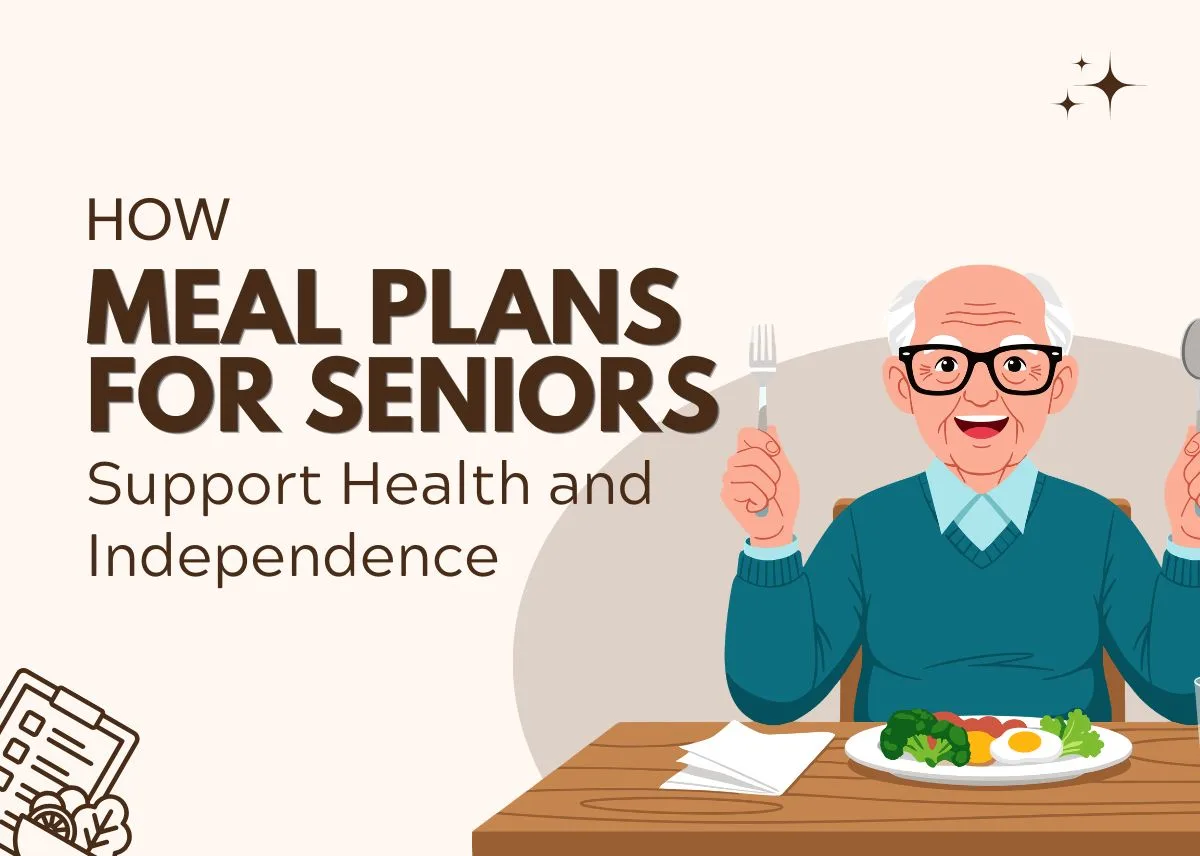
Aging should not mean compromising on nutrition or independence.Yet for many seniors, daily meal preparation becomes one of the first real challenges.
Simple tasks like grocery shopping, chopping vegetables, or standing in the kitchen for long periods can feel exhausting. Over time, this often leads to skipped meals, poor nutrition, and declining health.
This is where structured meal plans for seniors play a critical role. They go beyond convenience. They support health, dignity, and a better quality of life.
Table of Contents
Why Nutrition Matters More With Age
As the body ages, nutritional needs shift. Appetite often reduces, digestion slows, and the body requires more targeted nutrients.
A well-designed meal plan ensures:
- Adequate protein to prevent muscle loss
- Fiber-rich foods for digestion
- Calcium and vitamin D for bone strength
- Low sodium meals for heart health
- Regular hydration to avoid fatigue and confusion
Consistent nutrition directly impacts:
- Energy levels
- Immunity
- Cognitive sharpness
- Overall well-being
Without structure, seniors often fall into irregular eating habits, which can accelerate health decline.
Ensuring Balanced and Reliable Meals
One of the strongest benefits of senior meal planning is consistency.
Meals are:
- Nutritionally balanced
- Portion-controlled
- Designed for age-related health needs
This reduces the risk of:
- Nutrient deficiencies
- Overeating or undereating
- Dependence on packaged or processed foods
Many senior living communities design meals with nutrition experts, ensuring every meal contributes to long-term health.
Reducing Daily Stress and Physical Fatigue
Meal preparation includes multiple steps:
- Planning meals
- Grocery shopping
- Cooking
- Cleaning
For seniors, this becomes physically demanding.
Meal plans remove this burden completely.
Residents still choose what they want to eat. The difference is they do not have to go through the effort of preparing it.
At communities like Whitlock Place, this balance is handled thoughtfully. Residents maintain independence while avoiding unnecessary strain.
This leads to:
- Reduced fatigue
- More free time
- Improved daily comfort
Supporting Social and Emotional Well-Being
Food is deeply social. Eating alone regularly can impact emotional health.
Structured dining creates:
- Daily interaction
- A sense of belonging
- Routine and stability
Shared meals help reduce loneliness, which is a major concern in senior living.
Benefits include:
- Better mood
- Improved appetite
- Increased engagement
Even simple conversations during meals can improve emotional well-being.
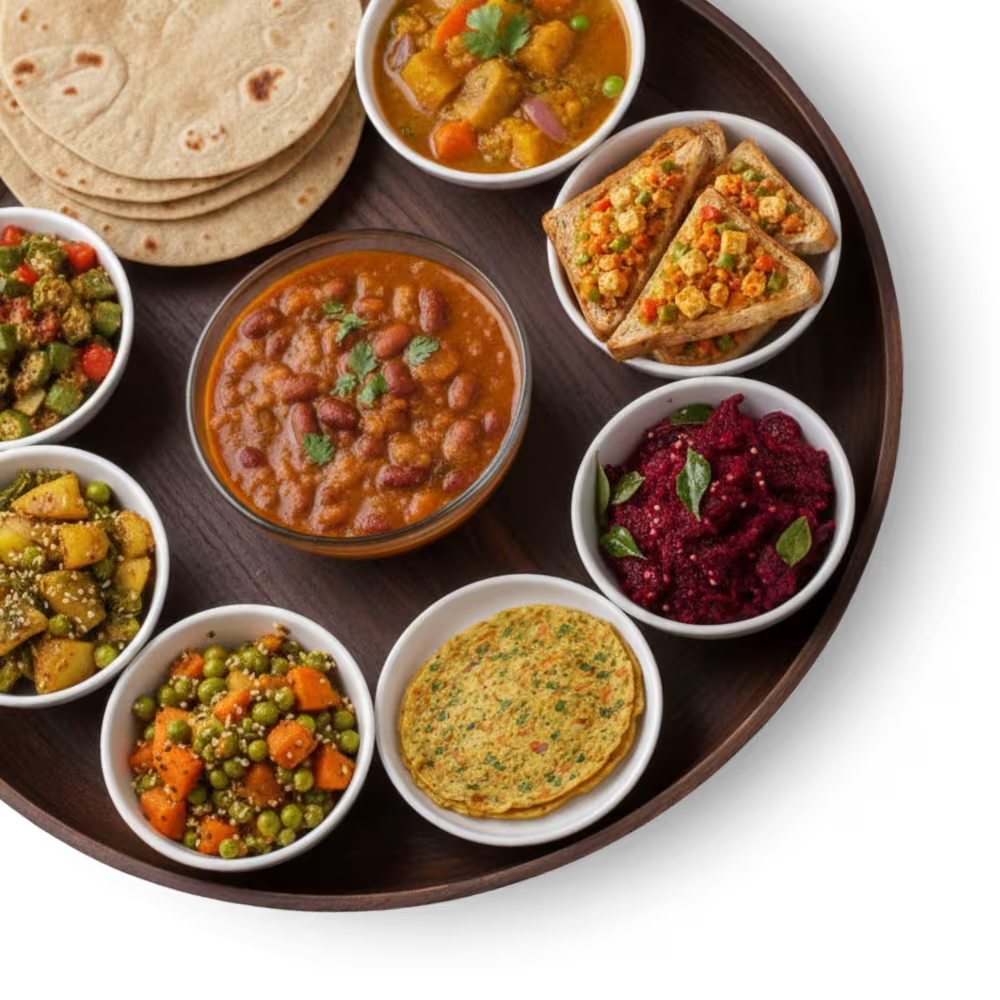
Stop Thinking About What to Cook Every Day
Healthy Eating, Kids Tiffin, PCOS and Weight loss meals, all planned out for you. Just follow the plan and cook. From ₹299.
Flexibility for Health Needs and Preferences
Every individual has different dietary needs.
Effective meal plans accommodate:
- Medical conditions like diabetes or hypertension
- Food allergies
- Personal and cultural preferences
This ensures that seniors:
- Enjoy their meals
- Stay consistent with dietary guidelines
- Do not feel restricted
Properly managed nutrition reduces risks like:
- Skipping meals
- Dehydration
- Poor food choices
Encouraging Independence Through Support
There is a misconception that assistance reduces independence.
In reality, removing physically demanding tasks helps seniors:
- Focus on meaningful activities
- Maintain control over choices
- Live more comfortably
True independence comes from the right support system.
Meal planning is one of the most practical ways to provide that support.
A Sample Day of a Balanced Senior Meal Plan
A structured meal plan typically looks like this:
Breakfast
- Oatmeal with fruits
- Boiled eggs or yogurt
- Tea or milk
Lunch
- Whole grains like roti or rice
- Dal or lean protein
- Seasonal vegetables
- Fresh salad
Evening Snack
- Light snack or fruit
- Tea
Dinner
- Light, easy-to-digest meal
- Soup or khichdi
- Cooked vegetables
This structure ensures:
- Steady energy levels
- Better digestion
- Nutritional balance throughout the day
Conclusion
Meal plans in senior living environments are not just about food.
They provide:
- Reliable daily nutrition
- Reduced physical strain
- Emotional and social support
- Flexibility for individual needs
Most importantly, they help seniors live with dignity and independence.
By removing the burden of meal preparation while preserving choice, these systems allow individuals to focus on living well.
Related Posts You May Like