

How to Store Dry Food for Long-Term
302
reads
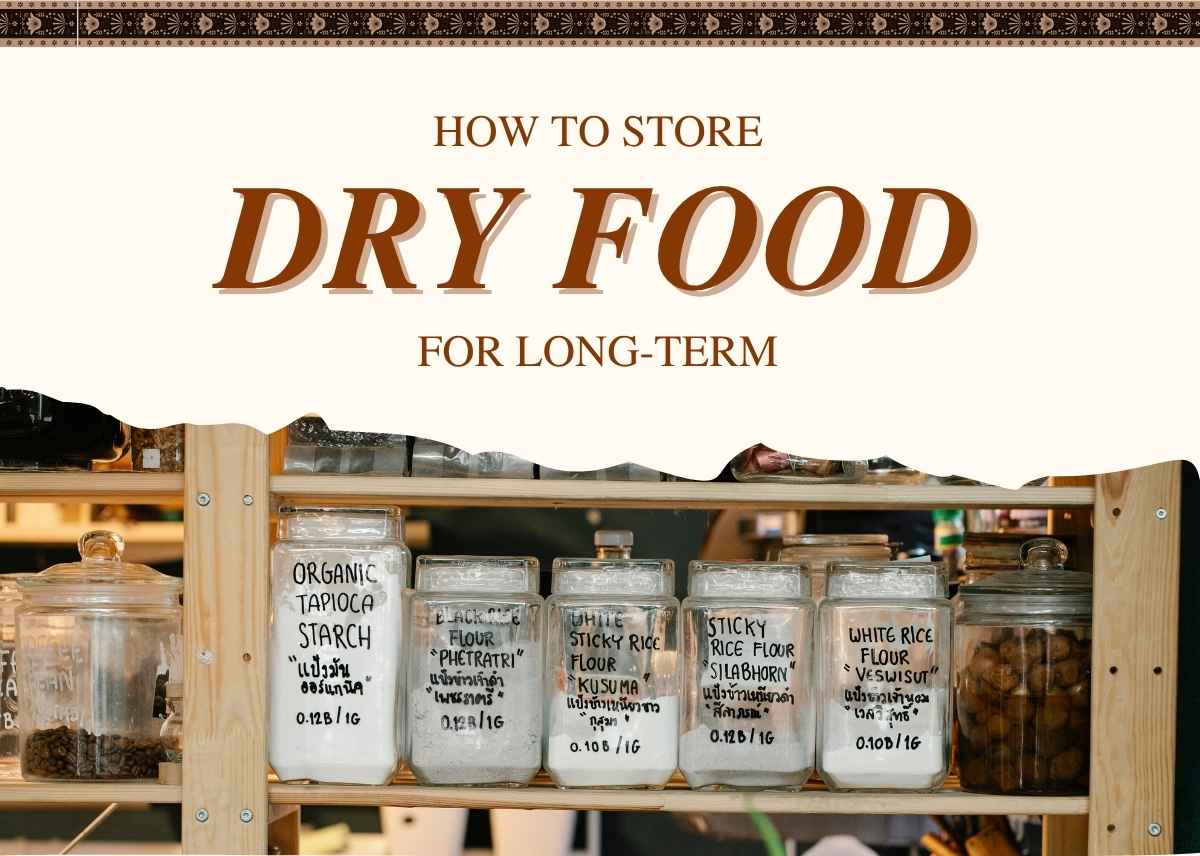
Learn how to store dry food for long-term with smart tips on containers, temperature control, and shelf life. Keep your pantry stocked and food fresh for years.
Dry food should always be part of your home for emergencies. If you have extra food, you might want to prepare it for later or make a pantry that lasts you more time. If grains, beans, pasta, and flour are kept properly—such as by using customized mylar bags—they won’t spoil for many years.
In this guide, we’ll explain how to store dry food safely and effectively for long-term use. The focus is on simple steps, easy tools, and practical storage techniques that anyone can follow at home.
Table of Contents
How to Store Dry Food for Long-Term
Understand What Dry Food Needs for Long-Term Storage
Even though dry foods don’t spoil quickly, they can degrade over time if not handled properly. Four key enemies of dry food are: oxygen, moisture, heat, and light. These factors reduce shelf life and cause spoilage.
To protect your dry goods, store them in airtight containers in a cool, dark, and dry location. Long-term storage foods include rice, lentils, oats, pasta, and dried fruits—all of which have naturally low moisture content. Using the right techniques, these foods can last for many years.
Pick the Right Containers for Dry Food Storage
Not all containers are suitable for long-term dry food storage. Choose those that keep air and moisture out. Ideal options include:
- Plastic buckets with tight-fitting lids
- Mason jars or vacuum-sealed jars
- Mushroom Mylar Pouches
Mylar pouches are especially effective because they block light and can be heat-sealed to form an airtight environment. For bulk storage, place food inside these pouches and then store them inside food-grade buckets for an extra layer of protection.
Always label containers with the food name and storage date. This helps you keep track of freshness and follow a rotation system.
Use Oxygen Absorbers for Extra Protection
Oxygen absorbers are small packets that remove residual oxygen inside sealed containers. Their use is essential in preventing mold growth and deterring pests.
Place the correct number of oxygen absorbers inside each sealed container, depending on its size. Once opened, do not reuse absorbers—store any extras in airtight containers to maintain their effectiveness.
Using this method, you can significantly extend the shelf life of foods such as white rice, powdered milk, flour, and beans.
Stop Thinking About What to Cook Every Day
Healthy Eating, Kids Tiffin, PCOS and Weight loss meals, all planned out for you. Just follow the plan and cook. From ₹299.
Choose the Best Places to Store Dry Foods
Location is just as important as container choice. Always store dry goods in places that are:
- Cool – ideally between 50°F and 70°F
- Dry – no exposure to dampness or leaks
- Dark – avoid direct sunlight or artificial heat sources
Avoid areas near stoves, ovens, or windows. Good places include basements, closets, or pantry cabinets—as long as they stay dry. According to the USDA, storing food at lower temperatures helps preserve quality and extend shelf life.
In humid climates, consider adding moisture absorbers or silica gel packets to your storage area. This prevents condensation and keeps food dry.
Easy Food Storage Ideas You Can Use at Home
You don’t need expensive equipment to organize your dry food storage. Try these budget-friendly storage ideas:
- Use glass jars for small portions of lentils or beans
- Repurpose old cookie tins for dry snacks
- Stack containers by category (grains, flour, spices) for easy access
- Store backup items in custom shape Mylar bags for emergencies or travel kits
- Use drawer organizers for spice packets and soup mixes
Always clean containers thoroughly before reuse, and avoid mixing new food with old food to maintain freshness.
Also Read: Kitchen Management: Best Type Of Containers For Food Storage
How Long Can You Store Dry Foods?
Dry foods generally last longer than canned or perishable goods—especially when stored correctly. Here are some average shelf lives:
- White rice: Up to 30 years when sealed in Mylar pouch packaging
- Oats: 10–20 years with airtight storage
- Dried beans: Up to 25 years
- Pasta: Up to 15 years in vacuum containers
Proper storage helps preserve nutrients and flavor while ensuring food is safe to eat when needed.
Important Food Storage Tips to Remember
- Always use clean and dry containers
- Avoid containers with cracks or damaged seals
- Follow the FIFO (First In, First Out) method
- Keep dry foods away from chemicals or cleaning agents
- Do not store food directly on the floor – use shelves or pallets
Proper Storing Prevents Waste and Saves Money
When you store food correctly, you save money and reduce waste. Buying in bulk during sales and storing it safely helps you make the most of your resources.
Dry food storage also brings peace of mind during emergencies when supplies may be limited. With a reliable stock at home, you’re always prepared.
Also Read: How Long Is Chicken Salad Good For? A Complete Guide to Freshness and Storage
Conclusion
Dry food storage is easy and effective when done right. Focus on cool, dark storage spaces. Use secure containers such as sealed jars, food-grade buckets, and mini cereal boxes. Add oxygen absorbers and pack travel kits using custom shape Mylar bags.
Start with what you already have and expand gradually. Label everything clearly, follow proper hygiene, and keep your storage organized. With a little planning and the right techniques, your dry food can stay fresh for decades.