
Gluten-Free Bread: Nutritional Benefits, Ingredients, Baking Techniques, and Market Growth
238
reads
Gluten-free bread has moved well beyond its origins as a medical necessity for people with coeliac disease. Today it sits at the intersection of clinical dietary need, mainstream health awareness, and significant food industry growth – with global market valuations projected to exceed $1.5 billion by 2030, driven by rising diagnosis rates and a broader shift toward gut-health-conscious eating.
But the practical questions remain the same for anyone approaching it for the first time: What nutritional value does it actually offer? What ingredients make it work? How do you bake it well? This guide answers all three – and sets them in context of where the category is heading commercially.
Who this guide is for: People newly diagnosed with coeliac disease or non-coeliac gluten sensitivity, home bakers looking to improve their gluten-free results, and anyone trying to understand whether gluten-free bread is a genuinely healthy choice or simply a substitute.
Table of Contents
The Nutritional Benefits of Gluten-Free Bread
Why It Matters for People With Coeliac Disease
For people with coeliac disease – an autoimmune condition affecting approximately 1 in 100 people worldwide – consuming gluten triggers an immune response that damages the lining of the small intestine.
Even small amounts of gluten from wheat, barley, or rye cause villous atrophy: the progressive flattening of the intestinal villi responsible for absorbing nutrients. The result is not just digestive discomfort but genuine nutritional malabsorption that, left unmanaged, can lead to anaemia, osteoporosis, and neurological complications.
A strict gluten-free diet – including switching to gluten-free bread – is currently the only clinically recognised treatment. Studies show that most coeliac patients experience significant intestinal healing within six to twelve months of eliminating gluten, with improvements in nutrient absorption, energy levels, and reduction in inflammatory markers.
For people with non-coeliac gluten sensitivity (NCGS) – a condition distinct from coeliac disease but producing similar symptoms including bloating, brain fog, and gastrointestinal discomfort – removing gluten through dietary substitutes like gluten-free bread typically resolves symptoms without the same level of intestinal damage being present.
Fibre: The Nutritional Case for Quality Ingredients
Not all gluten-free bread is nutritionally equal. Products made primarily from refined white rice flour or starch blends can be low in fibre and micronutrients – essentially empty calories in a bread-shaped form.
The nutritional quality of gluten-free bread depends almost entirely on which flours and whole ingredients are used.
Well-formulated gluten-free bread made with whole grain alternatives – brown rice flour, almond flour, sorghum, teff, or gluten-free oats – can deliver a fibre content comparable to or exceeding standard wholemeal wheat bread. The benefits of adequate dietary fibre include:
- Improved gut motility – regular bowel movements and reduced constipation, which is a common side effect of poorly formulated gluten-free diets
- Prebiotic support – feeding beneficial gut bacteria, particularly important for people whose gut microbiome has been disrupted by coeliac-related inflammation
- Blood sugar regulation – slowing the absorption of glucose and reducing post-meal blood sugar spikes
- Sustained satiety – keeping hunger suppressed for longer, supporting weight management
Also Read: Are Potato Chips Gluten Free? Understanding Gluten-Free Potato Chips!
Inflammation Reduction
For people with coeliac disease or gluten-related autoimmune conditions, chronic low-grade inflammation is one of the most damaging long-term effects of continued gluten exposure.
Switching to a well-managed gluten-free diet – including appropriate bread substitutes – has been shown to reduce inflammatory markers including C-reactive protein (CRP) and interleukin-6 in coeliac patients within months of dietary change.
Clinical context: According to research published in the Journal of Clinical Gastroenterology, coeliac patients who strictly adhered to a gluten-free diet for 12 months showed significant reductions in intestinal permeability and inflammatory cytokine levels compared to baseline – underscoring that dietary substitution, when done properly, is genuinely therapeutic rather than merely precautionary.
Stop Thinking About What to Cook Every Day
Healthy Eating, Kids Tiffin, PCOS and Weight loss meals, all planned out for you. Just follow the plan and cook. From ₹299.
Key Ingredients in Gluten-Free Bread – and What Each One Does
Understanding what goes into gluten-free bread explains both why it behaves differently in baking and how to choose or make a better product. Gluten – the protein network formed when wheat flour meets water – provides conventional bread with its elasticity, structure, and chew. Removing it means every one of those properties must be replicated by other means.
Alternative Flours
The base flour determines the flavour profile, nutritional density, and texture of the final loaf. Most commercial and home recipes use a blend rather than a single flour, because no single alternative replicates all of wheat’s properties.
| Flour | Flavour profile | Key nutritional benefit | Best used for |
|---|---|---|---|
| Brown rice flour | Mild, slightly nutty | Whole grain fibre, B vitamins | General purpose base flour |
| Almond flour | Rich, slightly sweet | Protein, healthy fats, vitamin E | Dense, moist loaves; keto-friendly baking |
| Sorghum flour | Mild, close to wheat | High protein, iron, antioxidants | Closest flavour substitute for wheat flour |
| Teff flour | Earthy, slightly molasses-like | Exceptionally high iron and calcium | Nutritionally dense, darker loaves |
| Coconut flour | Mildly sweet | Very high fibre, low carbohydrate | Used in small amounts alongside other flours |
| Gluten-free oat flour | Mild, slightly oaty | Soluble fibre (beta-glucan), protein | Soft texture; must be certified gluten-free |
Starches – Structure and Moisture Retention
Starches are added to gluten-free flour blends to improve the crumb structure and prevent the excessive dryness that afflicts many gluten-free products. Tapioca starch, potato starch, and arrowroot all contribute to a softer, more pliable texture and help the loaf retain moisture after baking. They also improve the crust’s browning behaviour. Most effective gluten-free bread formulas use starch at 20–30% of total flour weight.
Binding Agents – Replacing Gluten’s Role
Without gluten to create structure, dough would simply crumble. Two ingredients reliably perform gluten’s binding function:
- Xanthan gum – a fermentation-derived polysaccharide that mimics gluten’s elasticity and helps trap carbon dioxide during fermentation, allowing the loaf to rise. Typically used at 0.5–1% of flour weight. Too much produces a gummy texture.
- Psyllium husk powder – a soluble fibre derived from plantain seeds that forms a gel when hydrated, providing structure and significantly improving moisture retention. Many bakers prefer it to xanthan gum for its more natural feel and its additional fibre contribution to the finished loaf.
Leavening and Enrichment
Standard leavening agents – yeast, baking powder, or baking soda – function the same way in gluten-free baking, though the absence of gluten means the gas they produce escapes more easily.
Eggs and olive oil serve a dual enrichment function: eggs add protein structure and emulsification that help trap gas and bind the crumb, while olive oil significantly reduces the tendency of gluten-free bread to dry out and crumble after cooling.
Baking Techniques That Actually Work
Rest the Dough Before Baking
Unlike conventional bread dough, which benefits from extended kneading, gluten-free dough performs better with rest rather than intensive working. Allowing the mixed dough to rest for 20–30 minutes gives the flours and starches time to fully hydrate, which improves cohesion and produces a better crumb in the finished loaf. Skipping this step is one of the most common reasons for crumbly results.
Use the Right Equipment
Gluten-free dough is typically wetter and stickier than conventional bread dough – it behaves more like a thick batter than a kneadable dough. A stand mixer or bread machine is strongly recommended over hand mixing, as consistent incorporation of ingredients is critical to even texture. Attempting to knead gluten-free dough by hand rarely produces satisfactory results.
Adjust Baking Temperature and Time
Gluten-free loaves are denser and retain more internal moisture than wheat bread of equivalent size. Baking at standard bread temperatures (220°C / 425°F) often results in an over-browned crust with an undercooked interior.
A lower temperature – typically 175–190°C (350–375°F) – for a longer time produces more even results. Using a probe thermometer to check that the internal temperature reaches 95–98°C (203–208°F) is the most reliable way to confirm doneness.
Protect Moisture Through and After Baking
Gluten-free bread dries out and stales significantly faster than wheat bread. Practical measures to counter this include:
- Adding eggs and oil to the recipe to improve internal moisture retention
- Placing a small dish of water in the oven during the first half of baking to create a humid environment that prevents the crust setting too early
- Cooling on a wire rack to prevent condensation softening the base
- Storing sliced bread in an airtight container or freezing immediately – gluten-free bread typically stales within 24–48 hours at room temperature
Baker’s tip: Slicing and freezing the entire loaf on the day of baking, then toasting slices directly from frozen, is the most reliable way to maintain quality. Gluten-free bread toasts exceptionally well and this method effectively extends shelf life indefinitely.
Market Growth: Why the Gluten-Free Bread Category Is Expanding
The gluten-free bread market is one of the most sustained growth stories in the food industry over the past decade. Global revenues for gluten-free products were valued at approximately $6.5 billion in 2023 and are projected to grow at a compound annual growth rate (CAGR) of around 9% through 2030, according to multiple market research analysts including Grand View Research and Allied Market Research.
What Is Driving the Growth
Several distinct forces are contributing simultaneously:
- Rising coeliac disease diagnosis rates – improved clinical awareness and testing has increased confirmed diagnoses significantly over the past two decades; coeliac disease is now estimated to affect 1% of the global population, with many cases still undiagnosed
- Non-coeliac gluten sensitivity – a broader population reporting gluten-related digestive symptoms has expanded the addressable market well beyond medically diagnosed cases
- Health-conscious consumption – a segment of consumers without any gluten-related condition choosing gluten-free products as part of a broader clean-eating or gut-health approach
- Product quality improvements – advances in ingredient technology (particularly psyllium husk and improved flour blends) have closed the taste and texture gap with conventional bread significantly, reducing the “compromise” perception that historically limited adoption
- Expanded distribution – gluten-free bread is now routinely stocked in mainstream supermarkets, rather than being confined to specialist health food shops, dramatically increasing accessibility
Recipe You May Like
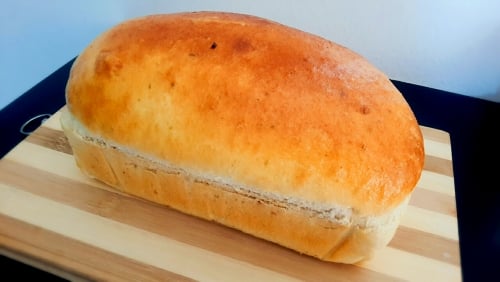
Fluffy Gluten-Free Rice Semolina Bread: A Simple Loaf
Craving a light and fluffy bread that’s also gluten-free? This rice semolina loaf is surprisingly simple to make with pantry staples, perfect for breakfast, brunch, or a satisfying snack.The subtle sweetness is balanced by savory notes of garlic powder and Italian seasoning, making it incredibly versatile. Imagine it toasted with butter and jam, or dipped in a hearty soup!Even if you’re new to gluten-free baking, our easy-to-follow guide will help you achieve golden-brown perfection. Get ready to enjoy a delicious homemade loaf!
View Recipe
~ 191kcal
Where the Category Is Heading
Product innovation is accelerating. Beyond standard sandwich loaves, the category now includes gluten-free sourdough, artisan-style rolls, pizza bases, flatbreads, and enriched breakfast breads – each targeting a different consumption occasion and taste preference.
Ingredient innovation is also moving toward higher-protein and higher-fibre formulations, addressing one of the most persistent criticisms of early gluten-free products: poor nutritional density compared to whole grain wheat alternatives.
The near-term outlook is strong. As diagnosis rates continue to rise and product quality continues to improve, the category is well-positioned to maintain its growth trajectory – with particular momentum in online retail, where gluten-free consumers have historically been early adopters of direct-to-consumer food purchasing.
Frequently Asked Questions
Is gluten-free bread healthier than regular bread for people without coeliac disease?
Not automatically. For people without coeliac disease or non-coeliac gluten sensitivity, there is no established clinical benefit to avoiding gluten. Some gluten-free bread products are lower in fibre and higher in refined starch than their wheat equivalents.
Whether gluten-free bread is healthier depends entirely on the specific product and its ingredients – a well-formulated loaf using whole grain flours can be highly nutritious, while a refined starch-based product may be less nutritious than standard wholemeal bread.
What is the difference between coeliac disease and gluten sensitivity?
Coeliac disease is an autoimmune condition in which gluten consumption triggers an immune response that damages the small intestine – confirmed by biopsy and blood tests.
Non-coeliac gluten sensitivity (NCGS) produces similar symptoms – bloating, brain fog, digestive discomfort – but without the intestinal damage or the specific antibody markers of coeliac disease. Both conditions respond to a gluten-free diet, but the medical urgency and long-term risk profile are different.
Why does gluten-free bread go stale so quickly?
Gluten-free flours and starches have different water-binding properties to wheat flour, and the absence of gluten’s protein network means the crumb structure is less stable over time.
Staling typically begins within 24 hours at room temperature. The most effective solution is to slice and freeze on the day of baking and toast from frozen – this preserves quality indefinitely and is standard practice for regular gluten-free bread eaters.
What is xanthan gum and is it safe?
Xanthan gum is a polysaccharide produced through fermentation of sugars by the bacterium Xanthomonas campestris. It is widely used as a food thickener and stabiliser, and is approved as safe by food regulatory bodies including the FDA and EFSA.
In gluten-free baking, it mimics gluten’s elasticity at very small quantities (typically under 1% of flour weight). Some people with digestive sensitivities find it causes bloating in larger amounts – psyllium husk powder is a well-tolerated alternative.
Which gluten-free flour produces the best results for home baking?
For most home bakers, a blend performs better than any single flour. A common starting point is 60% whole grain flour (brown rice, sorghum, or teff) combined with 30% starch (tapioca or potato) and 10% a high-fibre flour (almond or coconut).
Adding psyllium husk powder at around 2% of flour weight significantly improves structure and moisture retention. Sorghum flour is often recommended as the single most versatile base for beginners due to its mild flavour and relatively wheat-like baking behaviour.
Is certified gluten-free labelling important when buying ingredients?
Yes – particularly for people with coeliac disease. Many naturally gluten-free ingredients, including oats, are routinely processed in facilities that also handle wheat, creating a cross-contamination risk.
Certified gluten-free labelling indicates testing to below 20 parts per million (ppm) – the internationally recognised threshold at which gluten is considered safe for coeliac patients. For people with NCGS, the threshold for reaction varies individually.
Final Thoughts: A Category Worth Understanding Properly
Key Takeaways
- For coeliac and NCGS sufferers, gluten-free bread is a clinically important dietary staple – not a lifestyle trend. Done well, it supports intestinal healing, reduces inflammation, and restores normal nutrient absorption.
- Nutritional quality varies enormously by product. Bread made with whole grain alternative flours (sorghum, teff, brown rice) is genuinely nutritious. Products based primarily on refined starch are not.
- The baking science is learnable. Psyllium husk, proper hydration rest, lower baking temperatures, and freezing on the day of baking are the four changes that most reliably improve home gluten-free baking results.
- The market is growing rapidly and for legitimate reasons – rising diagnosis rates, better products, and broader distribution are all contributing to a category that is increasingly accessible and increasingly worth eating.
About the Author: Sandhya Jadhav is a research analyst with expertise in nutrition and food industry trends. She specialises in analysing market developments, ingredient innovations, and health-focused food products. Passionate about promoting informed dietary choices, Sandhya combines thorough research with practical insights to guide readers on topics including gluten-free baking and nutritional science.
Also Read: Gluten Free Diet – Is It Really For Everyone?
Related Posts You May Like