

Beginner’s Guide To Juicers: How To Use, Clean And Maintain Them

236
reads
Have you ever bought a juicer with full enthusiasm, used it twice, and then quietly ignored it on the counter? Yeah. That happens more often than people admit.
You want fresh juice. You want to feel healthier. But somewhere between assembling parts, cleaning pulp, and figuring out what goes in first, it starts to feel like work.
Table of Contents
This guide is for that exact feeling. No lectures. No perfection talk. Just a calm, practical way to help you actually enjoy using your juicer instead of avoiding it.
Getting Comfortable With Your Juicer First
Got a new juicer? Or planning to start using it again frequently? Before you even think about daily juicing, slow down. Familiarity matters more than speed.
Understanding Your Juicer’s Components
Most juicers come with:
- A motor base
- A feeding tube
- A strainer or press
- A juice container
At first glance, it feels like too many parts. That mild “ugh” moment is normal.
Pro tip: Take five minutes when you’re not hungry or rushed. Assemble and dismantle it once. Just once. That alone reduces future frustration.
Quick Safety Check
Read the basic safety instructions that come with your juicer. You don’t need to memorize them, but know these essentials:
- Keep fingers away from the feeding tube while the juicer is running
- Never run the juicer empty or without the collection container
- Unplug before cleaning or assembling parts
- Don’t force ingredients into the feed chute
This saves spills, jams, and unnecessary panic later.
How To Use A Juicer Without Feeling Overwhelmed
This is where most people get stuck. Using a juicer should not feel like a test. It should feel predictable.

Stop Thinking About What to Cook Every Day
Healthy Eating, Kids Tiffin, PCOS and Weight loss meals, all planned out for you. Just follow the plan and cook. From ₹299.
Start With Simple, Forgiving Ingredients
Don’t begin with fancy green mixes or complicated recipes. That comes later.
Best beginner-friendly produce:
- Apples
- Carrots
- Oranges
- Cucumber
- Celery
These are easy on the juicer and easy on you.
Preparation steps:
- Wash everything properly
- Cut large fruits into smaller pieces (usually 1-2 inch chunks)
- Remove hard seeds and pits (like apple seeds, peach pits, or avocado seeds)
This protects your juicer and keeps the motor from struggling.
Turn It On Before Adding Anything
Always switch the juicer on first. Then start adding ingredients slowly.
Don’t dump everything in at once. Let the juicer pull the produce in naturally. If you push too hard, juice splashes and pulp clogs. That’s where stress begins.
Listen to your juicer: If the sound changes or feels strained, pause. That noise is your juicer asking for a break.
Alternate Ingredients Thoughtfully
If you’re mixing soft and hard produce, alternate them for better results.
Example: Add apple pieces between leafy greens like spinach or kale. This helps with smoother extraction and reduces clogging.
You don’t need perfect ratios. Just avoid adding only soft or only fibrous items at once.
Run Small Batches
You don’t need a full jug of juice every time. Small batches are perfectly fine. In fact, they’re better when you’re starting out:
- Less prep time
- Less cleaning effort
- Less pressure on you
The goal is consistency, not quantity.
Recipe You May Like
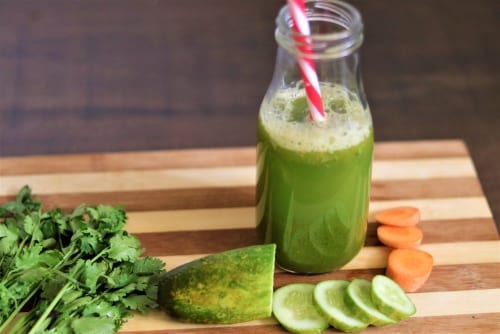
Refreshing Cucumber Carrot Juice: Detox & Energy Boost
Start your day with a vibrant and healthy boost! This refreshing Cucumber Carrot Juice is packed with nutrients, perfect for a quick detox or an energy pick-me-up. The blend of cucumber, carrots, coriander, ginger, and a touch of lemon creates a naturally delicious and revitalizing beverage.This simple recipe is easy to make, requiring minimal ingredients and time. It’s a great way to incorporate more fruits and vegetables into your diet, supporting your overall well-being. Whether you’re aiming for a healthier lifestyle or simply seeking a delicious and refreshing drink, this juice is a fantastic choice.Enjoy this cleansing juice as part of a balanced diet and active lifestyle. Remember to consult your doctor before making significant dietary changes, especially if you have underlying health conditions.
View Recipe
~ 153kcal
Drink Fresh When Possible
Fresh juice tastes best within 15-20 minutes of juicing. The flavor is brighter, and nutrients are at their peak.
If you need to store it:
- Use an airtight glass container
- Refrigerate immediately
- Consume within 24 hours for best quality
- Give it a quick stir before drinking (natural separation is normal)
Think of juicing as a fresh habit, not a storage project.
Cleaning Your Juicer Without Hating The Process
Let’s be honest. Cleaning a juicer is where most good intentions die. The trick is timing and simplicity.
Rinse Immediately After Use
This is the golden rule: Don’t walk away. Even a five-minute delay makes pulp stick and harden.
Rinse parts under running water as soon as you finish juicing. Most residue comes off easily at this stage.
Cleaning tools you’ll need:
- A soft brush (most juicers include one)
- Warm water
- Mild dish soap
Avoid metal scrubbers. They damage the mesh and shorten its life.
Use Warm Water And Mild Soap
You don’t need strong chemical cleaners. Warm water and mild dish soap are enough for daily cleaning.
Step-by-step cleaning:
- Disassemble all removable parts
- Rinse each part under warm running water
- Apply a small amount of mild dish soap
- Use the soft brush on the strainer mesh (brush from the inside out)
- Rinse thoroughly until no soap remains
Dealing with lingering smells: Soak parts in warm water with a tablespoon of baking soda for 15-20 minutes. That usually fixes it without extra effort.
Dry Before Storing
Let parts air dry completely before putting them away. Moisture causes odor and can lead to mold.
Storage tip: Store parts neatly in one place so assembling next time feels quick, not annoying.
A clean juicer feels inviting. A dirty one feels heavy. That difference decides whether you use it again.
How To Maintain Your Juicer For Long-Term Use
Maintenance sounds serious, but it’s really just a few simple habits that extend your juicer’s life.
Daily Maintenance Habits
- Feed ingredients at the right pace: Don’t overload the juicer. Feed ingredients slowly and steadily. This protects the motor from burnout.
- Avoid hard seeds and pits always: Cherry pits, peach stones, and large apple seeds can damage blades and strain internal parts.
- Use your juicer regularly: Even if it’s just once or twice a week. Long gaps between uses can cause residual smells and mechanical stiffness.
Monthly Check-Ups
Inspect parts for wear and tear:
- Look for cracks in plastic components
- Check for loose fittings or wobbly parts
- Examine the strainer mesh for tears or bending
Replace worn parts early. A damaged strainer or cracked container affects juice quality and can damage the motor.
Know Your Juicer Type
Different juicers have different maintenance needs:
Centrifugal juicers (fast, spinning blade):
- Clean immediately to prevent pulp from hardening in the basket
- Check blade sharpness every few months
- Best for hard fruits and vegetables
Masticating juicers (slow, grinding mechanism):
- Require more thorough cleaning of the auger
- Handle leafy greens better
- Typically last longer with proper care
Understanding your juicer type helps you maintain it properly.
Common Troubleshooting Tips
Juice is too foamy: You’re likely using a centrifugal juicer with soft fruits. Try alternating with harder produce or strain the juice through a fine mesh.
Pulp is too wet: Feed ingredients more slowly, or your strainer may need cleaning/replacement.
Motor sounds strained: You’re pushing too hard or feeding too quickly. Pause, let it clear, then resume at a slower pace.
Juice tastes bitter: You may have juiced rinds, stems, or seeds that should have been removed first.
Conclusion
A juicer doesn’t need to feel complicated or demanding. When you understand how to use it calmly, clean it easily, and maintain it gently, it becomes part of your routine-not a chore.
Fresh juice stops feeling like a task and starts feeling doable.
If your juicer has been sitting unused, that’s okay. Start again. Start small. One fruit. One glass. One habit.
Ready to make better use of your juicer? Try a simple Refreshing Carrot-Orange Ginger Juice Recipe juice tomorrow. Sometimes, restarting is easier than you think. And remember: consistency matters more than perfection.
Related Posts You May Like
-

-
-
-
-
11 Best Juices for Hair Loss Prevention
1815 reads
-