
Smart Design Practices for Home Chefs: Modern Kitchen Design Ideas
193
reads
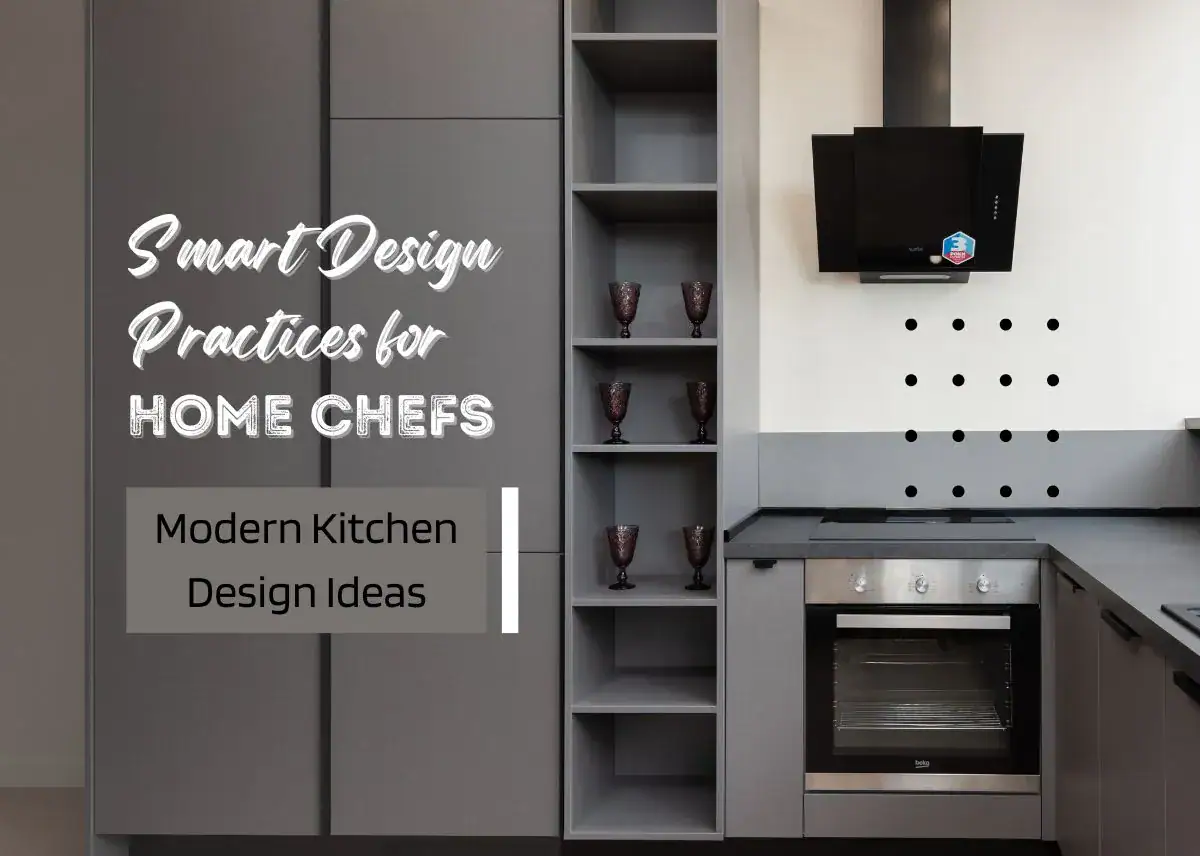
The modern home kitchen has evolved from a simple cooking space into a culinary sanctuary where passionate home chefs create restaurant-quality dishes. These modern kitchen design ideas blend functionality with style, transforming ordinary spaces into professional-grade cooking environments.
With cooking shows and social media inspiring millions to explore their culinary potential, implementing smart kitchen design is no longer a luxury-it’s essential.
Whether you’re a weekend warrior experimenting with new recipes or an aspiring chef perfecting your craft, these modern kitchen design ideas make all the difference.
This guide explores proven design practices that combine functionality, efficiency, and comfort to transform your kitchen into a professional-grade cooking space.
Table of Contents
The Foundation: Strategic Appliance Placement
Understanding the Kitchen Work Triangle
One of the most enduring modern kitchen design ideas is the kitchen work triangle. This concept connects three critical stations:
- Stove/Cooktop – Your primary cooking zone
- Sink – For washing and food prep
- Refrigerator – Storage and ingredient access
Why it matters: Positioning these elements within 4-9 feet of each other creates an efficient workflow that minimizes unnecessary movement and maximizes productivity during meal preparation.
Optimizing Counter Space Flow
When planning your layout, consider how you move through cooking tasks:
- Retrieve ingredients from the refrigerator
- Wash and prep at the sink
- Cook at the stove
- Plate and serve
Each transition should feel natural and unobstructed, reducing fatigue and allowing you to focus on perfecting your dishes rather than navigating your space.
The Appliance Garage Solution
Small appliances often create countertop clutter that disrupts both workflow and aesthetics. One of the smartest modern kitchen design ideas is implementing an “appliance garage”-a dedicated cabinet space that houses:
- Coffee makers and espresso machines
- Toasters and toaster ovens
- Blenders and food processors
- Microwaves and air fryers
Benefits of this approach:
- Maintains clean, streamlined countertops
- Keeps appliances accessible but hidden
- Reduces visual clutter in your cooking space
- Maximizes usable prep area
Stop Thinking About What to Cook Every Day
Healthy Eating, Kids Tiffin, PCOS and Weight loss meals, all planned out for you. Just follow the plan and cook. From ₹299.
Choosing Durable, Professional-Grade Surfaces
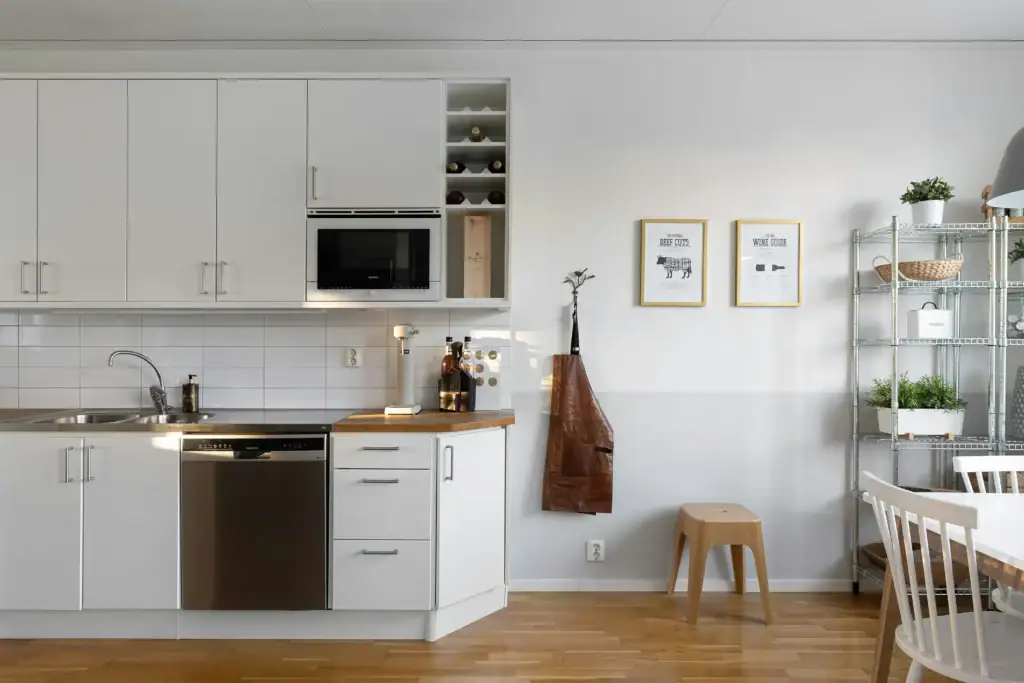
Countertop Selection for Serious Home Chefs
Your countertops endure constant use, from chopping vegetables to rolling dough and handling hot cookware. Durability and ease of maintenance should be top priorities.
Many home chefs in Phoenix are now opting for durable quartz countertops from Superior Stone and Cabinet, which offer the best countertops in both resilience and ease of maintenance, making them ideal for enthusiasts who often find themselves working amidst spills and splashes.
Key advantages of quality countertops:
- Resistance to stains, heat, and scratches
- Non-porous surfaces that prevent bacteria growth
- Minimal maintenance requirements
- Long-term durability for daily cooking demands
Backsplash Considerations
Beyond aesthetics, your backsplash protects walls from grease, moisture, and food splatters. Choose materials that are:
- Easy to clean with simple wipe-downs
- Heat-resistant near cooking areas
- Water-resistant around sink zones
- Visually complementary to your overall design
Lighting: The Underrated Game-Changer
Why Kitchen Lighting Matters More Than You Think
Good lighting is essential for culinary success, yet many home kitchens suffer from inadequate illumination. Proper lighting serves multiple critical functions:
- Safety: Prevents cuts, burns, and cooking accidents
- Precision: Enables accurate measurement and technique
- Ambiance: Creates an inviting atmosphere for cooking and entertaining
- Energy: Reduces eye strain during extended cooking sessions
Layered Lighting Approach
Implement a multi-level lighting strategy, one of the most effective modern kitchen design ideas for maximum versatility:
1. Ambient Lighting
- Overhead fixtures or recessed lighting
- Provides general illumination throughout the space
- Sets the overall mood and brightness level
2. Task Lighting
- Under-cabinet LED strips
- Pendant lights over islands and prep areas
- Focused illumination for detailed work
3. Accent Lighting
- Highlights architectural features
- Adds visual interest and depth
- Creates focal points in the kitchen
Flexible Lighting Controls
Install dimmer switches to adjust lighting intensity based on:
- Time of day (bright for morning prep, softer for evening cooking)
- Task requirements (intense for chopping, moderate for casual cooking)
- Entertainment needs (dramatic for dinner parties, functional for cleanup)
Organization: The Secret to Culinary Efficiency
Why Organization Transforms Your Cooking Experience
A cluttered kitchen disrupts workflow and stifles creativity. Professional chefs operate in highly organized spaces where every tool has its place-your home kitchen should mirror this approach.
Smart Storage Solutions
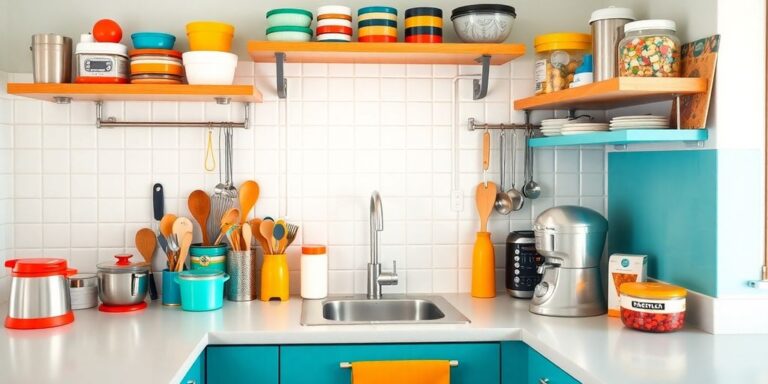
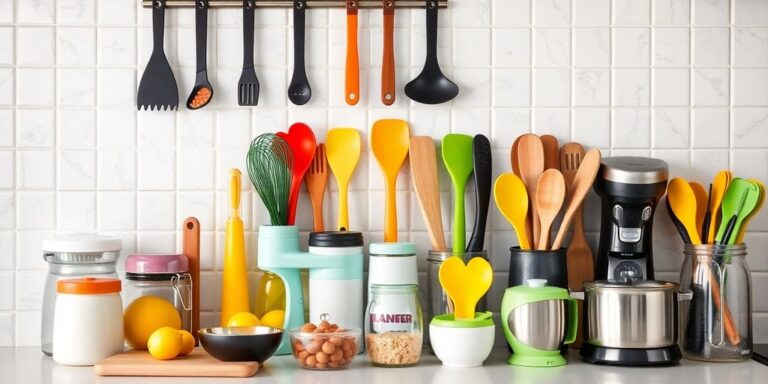
Maximizing space by adopting functional storage solutions ensures that utensils, spices, and ingredients are within arm’s reach, transforming your workspace into an efficient cooking environment.
Vertical Storage Options:
- Wall-mounted pot racks for cookware
- Magnetic knife strips for easy blade access
- Pegboards for utensil organization
- Hooks for frequently used tools
Drawer Organization:
- Dividers for utensils and gadgets
- Deep drawers for pots and pans
- Specialized inserts for spices and oils
- Pull-out organizers for maximum accessibility
Pantry Management:
- Clear containers for dry goods visibility
- Lazy Susans for corner cabinet access
- Pull-out shelves for deep cabinet reach
- Tiered organizers for canned goods
The Labeling System Advantage
Implement a consistent labeling strategy for:
- Ingredient containers (name, purchase date, expiration)
- Spice jars (easily identify what you need at a glance)
- Storage bins (categorize by meal type or cuisine)
- Freezer items (prevent mystery containers)
Result: Less time searching, more time cooking, and reduced food waste from forgotten ingredients.
Comfort: Designing for Extended Cooking Sessions
Ergonomic Considerations
Serious cooking requires standing for extended periods. Prioritize comfort through:
Anti-Fatigue Mats:
- Cushioned support for feet and joints
- Reduces back pain and leg fatigue
- Waterproof and easy-to-clean materials
- Strategic placement in high-activity zones
Counter Height Optimization:
- Standard 36-inch counters for general prep
- Lowered sections for rolling dough or mixing
- Raised bars for casual dining and resting
Seating Options:
- Comfortable bar stools at kitchen islands
- Appropriate height for counter levels
- Supportive backrests for longer sits
- Quick access during recipe reviews
Climate Control and Ventilation
Temperature management directly impacts your cooking comfort and safety:
Range Hood Selection:
- Minimum 400 CFM for gas ranges
- Higher capacity for serious cooking (600-900 CFM)
- Quiet operation to maintain pleasant atmosphere
- Proper venting to exterior when possible
Additional Ventilation:
- Windows for natural air circulation
- Ceiling fans to distribute air evenly
- Air purifiers to eliminate lingering odors
- Climate control for year-round comfort
Also Read: Design Meets Functionality: Trends In Commercial Kitchen Layouts
Incorporating Natural Elements for Inspiration
The Psychology of Natural Design
Connecting with nature enhances creativity and reduces stress during cooking. Scientific studies show that natural elements in living spaces improve:
- Mental clarity and focus
- Creative problem-solving abilities
- Overall mood and satisfaction
- Stress reduction during complex tasks
Practical Natural Integration
Material Choices:
- Wood elements: Cutting boards, butcher blocks, open shelving
- Stone surfaces: Natural stone backsplashes, countertop accents
- Metal finishes: Brushed copper, bronze, or brass hardware
Natural Lighting:
- Maximize window placement for daylight
- Skylights for overhead natural illumination
- Light-colored walls to reflect natural light
- Minimal window treatments for unobstructed views
Introducing elements such as wood, stone, or natural lighting can shift the mundane routine of cooking into a refreshing experience, nurturing creativity and enhancing your overall culinary journey.
Nature-Inspired Color Palettes
Contemporary modern kitchen design ideas often incorporate colors that evoke natural settings:
- Earthy browns and beiges: Warmth and grounding
- Leafy greens and sage: Freshness and vitality
- Soft blues and grays: Calm and serenity
- Warm terracotta and clay: Rustic authenticity
Application areas: Paint, tile backsplashes, cabinet finishes, or decorative accents.
Living Elements
Introduce actual plant life into your kitchen:
- Fresh herb gardens on windowsills
- Small potted plants on open shelving
- Hanging planters near windows
- Air-purifying plants for improved air quality
Bringing It All Together
Implementing these modern kitchen design ideas doesn’t require a complete renovation-it requires thoughtful planning and strategic improvements. By focusing on these key areas:
✓ Efficient appliance placement for seamless workflow
✓ Durable surfaces that withstand daily culinary demands
✓ Proper lighting for safety and precision
✓ Smart organization for easy access and reduced clutter
✓ Ergonomic comfort for extended cooking sessions
✓ Natural inspiration for enhanced creativity
You can transform your kitchen from a basic cooking space into a true culinary workshop that rivals professional kitchens in functionality and inspires you to push your cooking boundaries.
Also Read: Sustainable Kitchen Renovation Trends for Eco-Friendly Cooking
Remember: The best kitchen design serves your specific cooking style, adapts to your needs, and grows with your culinary journey. Start with one area, implement changes gradually, and experience how thoughtful design elevates not just your cooking space-but your entire cooking experience.
Ready to transform your home kitchen into a chef-worthy space? Start by assessing your current layout and identifying which improvements will have the biggest impact on your daily cooking routine.
Related Posts You May Like