
When Eating Healthy Stops Being a Show
181
reads
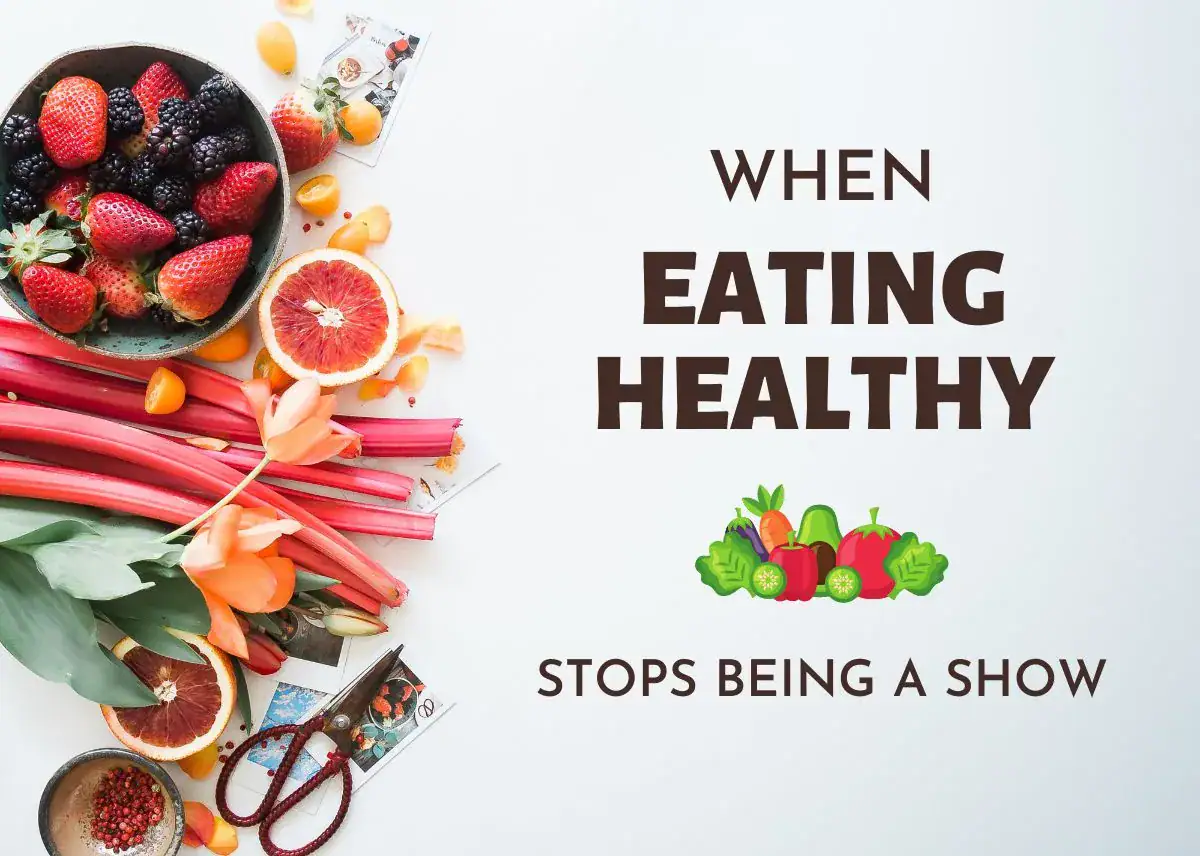
Scroll through any food-focused social feed for five minutes and you will begin to notice patterns. The same bowls held at the same angle. The same carefully adjusted colors. Captions about “balance” that somehow never include bread.
Healthy eating online has quietly turned into a kind of theater – beautiful, controlled, aspirational, and surprisingly disconnected from how most people actually cook.
A real kitchen sounds different. It is messier. Someone is hungry right now. The chicken was never taken out of the freezer.
The pantry is missing two ingredients, so the recipe changes halfway through. The food still needs to work – it just needs to work tonight, for the people sitting at this table.
For years, a growing gap has opened between how food looks online and how it functions in real life. Many people feel discouraged – not because they do not care about their health, but because the version of “healthy” they keep seeing feels performative, unrealistic, and exhausting to maintain.
Chef Monika Jensen’s cookbook, The Balanced Plate: Healthy Recipes With Keto Alternatives, steps into that gap – not by claiming to solve the problem, but simply by behaving differently. And in doing so, it quietly reveals how much of today’s food culture has become about the performance rather than the plate.
Table of Contents
The Problem With Healthy Eating Online
When Presentation Becomes the Point
There is nothing wrong with photographing food, finding inspiration online, or wanting a meal to look appealing. The problem begins when the presentation becomes the primary goal – when the algorithm’s approval matters more than whether the dish actually feeds anyone.
Online food culture consistently rewards extreme transformations, rigid compliance, and photographic proof of doing it “right.” What it rarely rewards is negotiation – the small, invisible compromises that make real households function.
What Is Missing From the Picture
Here is what you almost never see in the polished world of online healthy eating:
- Someone managing blood sugar sitting next to someone who is not – and both eating the same meal comfortably
- Children pushing ingredients aside, or a partner who simply will not eat quinoa
- The last-minute addition of bread because someone genuinely needs it
- Flavors that are rich, bold, or comforting – rather than clean, pale, and safe
- The reality that rice is not the enemy, and potatoes did not disappear for a good reason
Key insight: When food becomes a moral statement – something to perform rather than prepare – it stops responding to the actual situation in front of you. That loss of context is not a minor aesthetic issue. It is the reason so many people quietly give up on eating well.
Why “Healthy” Often Feels Fake – and What That Costs You
The pressure to eat visibly well flows downward in predictable ways. People begin choosing ingredients for how they photograph, not how they taste. Sauces get thinned out. Spices get dialed back. Whole ingredient categories disappear – not for health reasons, but for aesthetic ones.
The result looks calm and controlled. But it is a fragile kind of calm – one that relies on never being tired, never having guests with different needs, and never just needing comfort at the end of a hard day.
This is not what sustainable, healthy eating looks like. Sustainable eating is flexible. It adapts. It tastes good enough that people actually keep doing it.
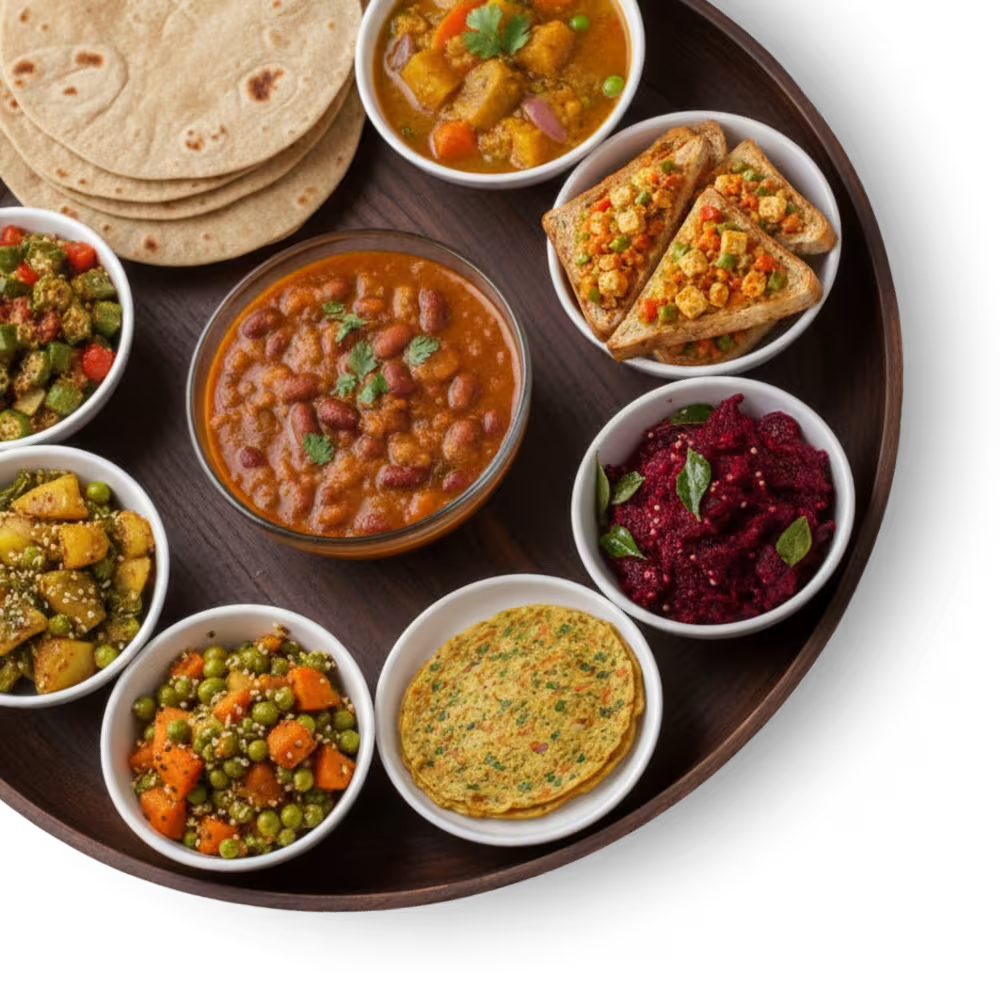
Stop Thinking About What to Cook Every Day
Healthy Eating, Kids Tiffin, PCOS and Weight loss meals, all planned out for you. Just follow the plan and cook. From ₹299.
About Chef Monika Jensen and The Balanced Plate
The Real-Life Problem That Shaped This Book
Chef Monika Jensen did not write The Balanced Plate to compete with the world of polished food content. The book does not seem particularly interested in that world at all.
Jensen’s starting point was practical necessity. Cooking for people with different health needs under the same roof – some requiring fewer carbohydrates, others not – meant letting go of the idea that there is only one correct way to eat. Some nights called for comfort. Others called for more careful choices. The constant was the need to keep cooking without turning every meal into a negotiation.
That lived experience shaped everything about this book: its tone, its structure, and the quiet respect it shows for the reader’s intelligence.
How the Book Is Structured
The recipes in The Balanced Plate are written with clarity and genuine helpfulness. Notably, keto alternatives are presented as optional notes rather than corrections – they sit quietly on the page, available when needed and easy to ignore when not. No one has to explain or justify their choice.
In a food culture built on constant judgment – of ingredients, of choices, of bodies – that restraint is not a small thing. It is a form of trust. The book assumes the reader already knows why they are in the kitchen. It does not need to convince them of anything.
What Makes The Balanced Plate Different: Key Features
Flavor Is Treated as Non-Negotiable
One of the most striking qualities of The Balanced Plate is its commitment to satisfaction over symbolism. Soups are designed to be grounding. Salads are meant to leave you full. Sauces are allowed to be thick.
Global flavors appear throughout, without apology and without being framed as exotic extras:
- Za’atar – earthy, herby, and deeply versatile
- Vadouvan – a French-inflected curry blend with remarkable depth
- Miso – for richness and umami in unexpected places
- Sumac – bright acidity without relying on citrus
- Black garlic – slow-roasted sweetness with complex savory undertones
These are presented as practical tools, not status symbols. They are there because they make the food taste better – full stop.
Also Read: Meet The Chef – Mr. Mauro Ferrari From Italy
Nutrition Information Without the Sermon
Nutritional facts are included without fuss or moralizing. Keto substitution notes explain the mechanics of the swap without positioning the alternative as superior. Both traditional and adjusted versions of ingredients are treated with equal respect.
Readers are trusted to decide what matters to them. That kind of trust is rare in cookbooks – and once you notice how many books operate on the opposite assumption, it is hard to unsee.
Recipes That Are Designed to Be Repeated
Early reader feedback consistently highlights a few things that do not often appear in cookbook reviews:
- People cook the same recipes more than once – the highest possible endorsement
- A sense of not having to overhaul everything just to eat better
- Less stress around mealtimes, rather than more
- A feeling of relief – that the book meets them where they are
That word – relief – points to something more significant than personal preference. It suggests that many people have been quietly exhausted by the performance demands of modern healthy eating, and that being released from those demands feels genuinely good.
Who Is The Balanced Plate For?
This book is likely to resonate most with:
- Households with mixed dietary needs – where one person is managing blood sugar, weight, or a health condition, and others are not
- Parents who have tried rigid food rules and watched them fall apart the moment life got complicated
- Anyone who has felt demoralized by the gap between online food culture and their actual kitchen
- People who want to eat better without staging every meal for an imaginary audience
- Home cooks interested in global flavors and real seasoning, not stripped-down, beige “wellness” food
- Anyone following or curious about a keto or lower-carb approach who still wants meals the whole household will eat
Why Balance Outlasts Every Extreme
Balance is genuinely difficult to sell. It does not promise dramatic transformation. It does not fit neatly into a 30-day arc. It does not make for clean before-and-after photography.
Extreme approaches are far easier to package: the rules are clear, the results are dramatic, and the content is compelling. But extreme approaches also tend to collapse – under the weight of real life, changing health needs, growing children, and the simple human desire for a meal that tastes good without requiring a spreadsheet.
Balance shows up and keeps going. It adapts when your needs change. It accommodates the person across the table. It does not require you to maintain a perfect streak.
The Balanced Plate accepts this reality fully. It does not position itself as a fix or a reset. It presents itself as a resource that can sit on the counter, be picked up when needed, and adjusted as life changes. It does not assume the reader is broken. It assumes they are capable – and tired.
That emotional intelligence matters. Food is not framed as a problem to solve, but as a relationship – one that shifts over time, requires attention, and deserves to be nourishing in more than one sense of the word.
Also Read: Meet Celebrity Chef Kunal Kapur, Who Camps To Teach Food Basics And Beyond
Frequently Asked Questions
Does The Balanced Plate require a keto diet to be useful?
No. The keto alternatives are entirely optional – written as quiet side notes rather than corrections or upgrades. The main recipes stand completely on their own. Readers following a standard diet will find the book just as useful as those reducing carbohydrates.
What kind of ingredients does the book use?
The book draws on a wide range of global pantry staples – including za’atar, miso, sumac, vadouvan, and black garlic – alongside more familiar everyday ingredients. These are treated as useful tools, not specialty indulgences. The focus is always on flavor and function.
Is this book suitable for families with children?
Yes, and families with varied needs are arguably the ideal audience. The book was born out of the exact challenge of cooking for people with different health requirements under one roof, and it is structured to make that as low-friction as possible.
Does the book include nutritional information?
Yes. Nutritional facts are included without lecturing or moralizing. Keto substitution notes explain how swaps work mechanically, without suggesting one approach is morally superior to another.
How does this book differ from other healthy cookbooks?
Most healthy cookbooks implicitly assume one right way to eat – and position everything else as a deviation. The Balanced Plate takes the opposite approach: it treats the reader as someone who already knows their own needs, and offers tools rather than rules. The absence of judgment is, in itself, a significant design choice.
Also Read: Essential Kitchen Gadgets for Chefs: Elevate Your Culinary Game
Final Thoughts: Putting Health Back in the Kitchen
The Bottom Line
The Balanced Plate: Healthy Recipes With Keto Alternatives by Chef Monika Jensen does something quietly radical: it removes the performance layer from healthy eating entirely. It does not tell you to stop caring about your health. It simply puts that care back where it belongs – in the kitchen, responding to the real people in front of you, rather than on a screen in front of strangers.
What you get is substance. Food that adapts. Recipes worth repeating. A way of cooking that does not require you to prove anything to anyone.
If you are tired of staging your meals and want to feed real people again – including yourself – The Balanced Plate is available on Amazon now. It does not promise perfection. It promises something better: food that works when the camera is off.
Related Posts You May Like