
Here’s How Gourmet Salts are Harvested Around the World
212
reads
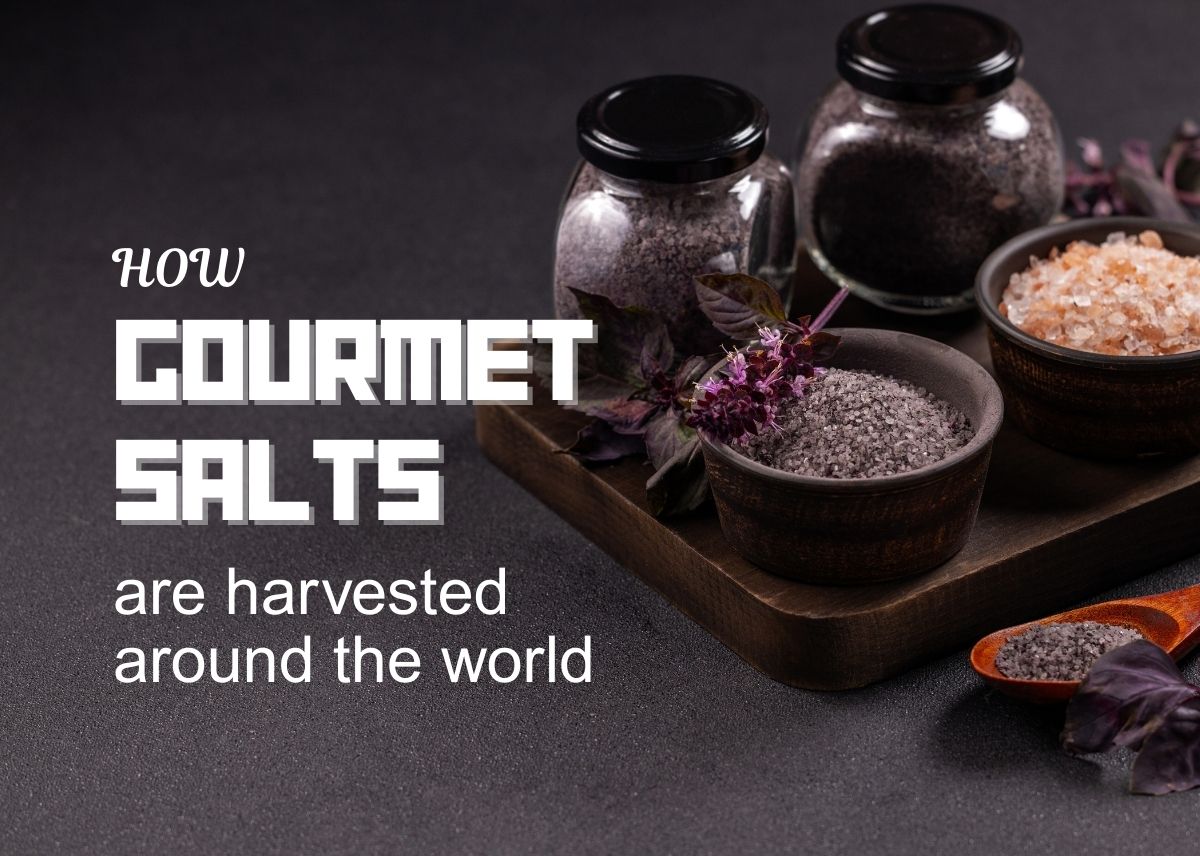
Gourmet salts have moved well beyond the simple role of seasoning. Today, they are valued for their texture, mineral content, flavour complexity, and even their story. From sun-drenched coastal flats to ancient underground mines, the way salt is harvested plays a major role in how it tastes and how it’s used in the kitchen.
Understanding where these salts come from and how they are collected helps explain why some flakes melt delicately on the tongue while others deliver a bold, mineral punch. It also provides helpful context for anyone exploring a guide to salt types and wanting to match the right salt to the right dish.
Table of Contents
Here are some of the most common harvesting methods used around the world and how each shapes the character of gourmet salt.
Sea Salt: Harvested by Sun, Wind, and Time
Sea salt is one of the oldest and most widely used forms of salt, produced by evaporating seawater in shallow pools known as salt pans. This method relies heavily on natural conditions, particularly sunlight, wind, and low humidity.
- How it’s harvested: Seawater is channelled into large, flat ponds where it slowly evaporates over weeks or months. As the water disappears, salt crystals form and settle on the bottom. In many regions, these crystals are still gathered by hand using wooden rakes, preserving traditional techniques passed down through generations.
- What makes it special: Because sea salt undergoes minimal processing, it often retains trace minerals such as magnesium, calcium, and potassium. These minerals subtly influence flavour, giving sea salt a more complex taste compared to refined table salt. Texture can range from fine grains to light, flaky crystals ideal for finishing dishes.
Fleur de Sel: The Delicate Surface Harvest
Often described as the “caviar of salt,” fleur de sel is a rare and delicate variety of sea salt harvested using a highly specific technique.
- How it’s harvested: Under the right weather conditions, a thin crust of salt forms on the surface of salt pans. This fragile layer is carefully skimmed by hand, usually in the early afternoon when evaporation peaks. Because it forms only under precise conditions, production is limited and labour-intensive.
- What makes it special: Fleur de sel crystals are light, irregular, and slightly moist. They dissolve quickly on the tongue and deliver a clean, nuanced salinity. This makes them ideal as a finishing salt rather than something used during cooking.
Rock Salt: Ancient Salt from Underground
Rock salt comes from ancient seabeds that dried up millions of years ago and were later buried beneath layers of earth. These deposits are accessed through mining rather than evaporation.
- How it’s harvested: Salt is extracted from underground mines using traditional mining techniques or modern machinery. Large chunks are brought to the surface, then crushed or ground into various sizes. Some varieties are washed or refined, while others are left largely untouched.
- What makes it special: Rock salts often contain visible mineral traces, which can influence both colour and flavour. These salts tend to have a stronger, more robust salinity and are commonly used in grinders or for cooking methods like salt crust baking.
Lake and Inland Salts: Shaped by Unique Environments
Not all gourmet salts come from the ocean. Inland salt lakes and salt flats also produce distinctive varieties influenced by their surrounding environment.
- How they’re harvested: Much like sea salt, lake salt is formed through evaporation. However, the mineral composition of inland water sources can differ significantly from seawater. Harvesting methods range from manual collection to small-scale mechanical processes, depending on the location.
- What makes them special: Lake salts often have bold mineral profiles and can vary dramatically in taste and texture. Some are prized for their earthy notes, while others offer a clean, sharp salinity ideal for seasoning meats and vegetables.
Stop Thinking About What to Cook Every Day
Healthy Eating, Kids Tiffin, PCOS and Weight loss meals, all planned out for you. Just follow the plan and cook. From ₹299.
Why Harvesting Methods Matter
The way salt is harvested affects far more than its origin story – climate, water source, timing, and human involvement all influence crystal size, moisture content, mineral balance, and ultimately flavour.
Hand-harvested salts tend to have more irregular shapes and subtle complexity, while machine-harvested salts are often more uniform.
Minimal processing helps preserve natural characteristics, making gourmet salts a favourite among chefs and home cooks alike.
Also Read: Healthy salt for cooking and eating
Choosing the Right Salt for Your Kitchen
With so many varieties available, understanding how gourmet salts are harvested makes it easier to choose the right one for your cooking style.
Whether you’re finishing a dish, seasoning during cooking, or experimenting with texture, the harvesting process offers valuable clues about how a salt will perform.
By appreciating the journey from sea, lake, or mine to plate, you can elevate everyday meals with intention-and a deeper respect for one of the world’s oldest and most essential ingredients.
Related Posts You May Like
-

-

4 Benefits Of Using Smoked Spices In Cooking
1655 reads
-

Essential Cooking Tips for Every Home Chef
1423 reads
-
-
-